When Fashion Photography Becomes a Material: Experimenting with Polaroid Interventions
Fashion photography has always been about transformation. For me, I’ve always seen this genre as a Pandora Box, full of repertoire and different layers. A fashion photographer is usually inspired by films, paintings, textures, colors.
Clothing transforms the body. Styling transforms identity. Lighting transforms a face. Photography itself transforms a fleeting moment into something tangible.
Recently, I’ve been interested in taking that transformation one step further. Instead of treating the photograph as a finished object, I’ve been using my Polaroids as a starting point, something I can physically interact with, manipulate and transform with my own hands. Think of it as Photoshop with my own hands.
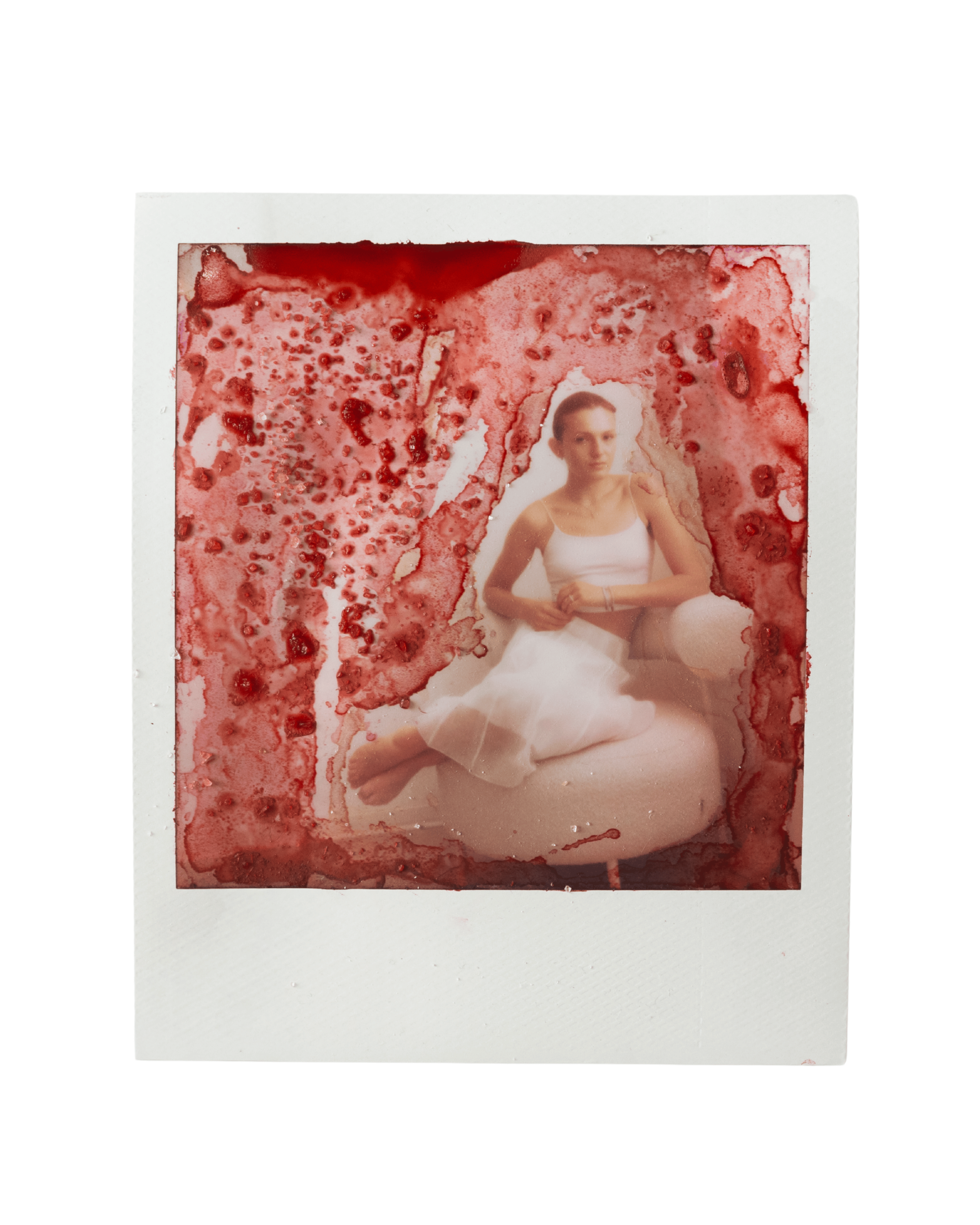
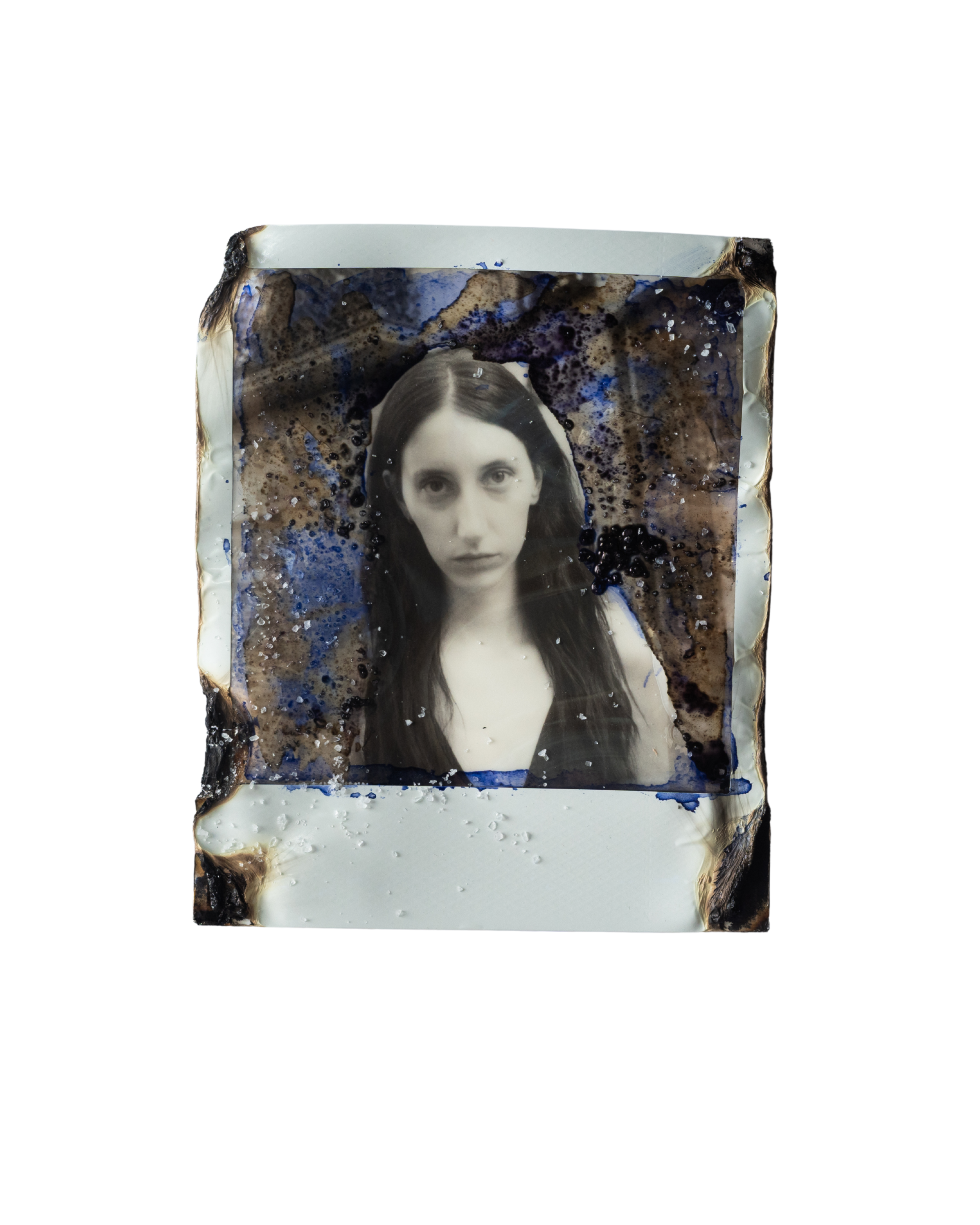
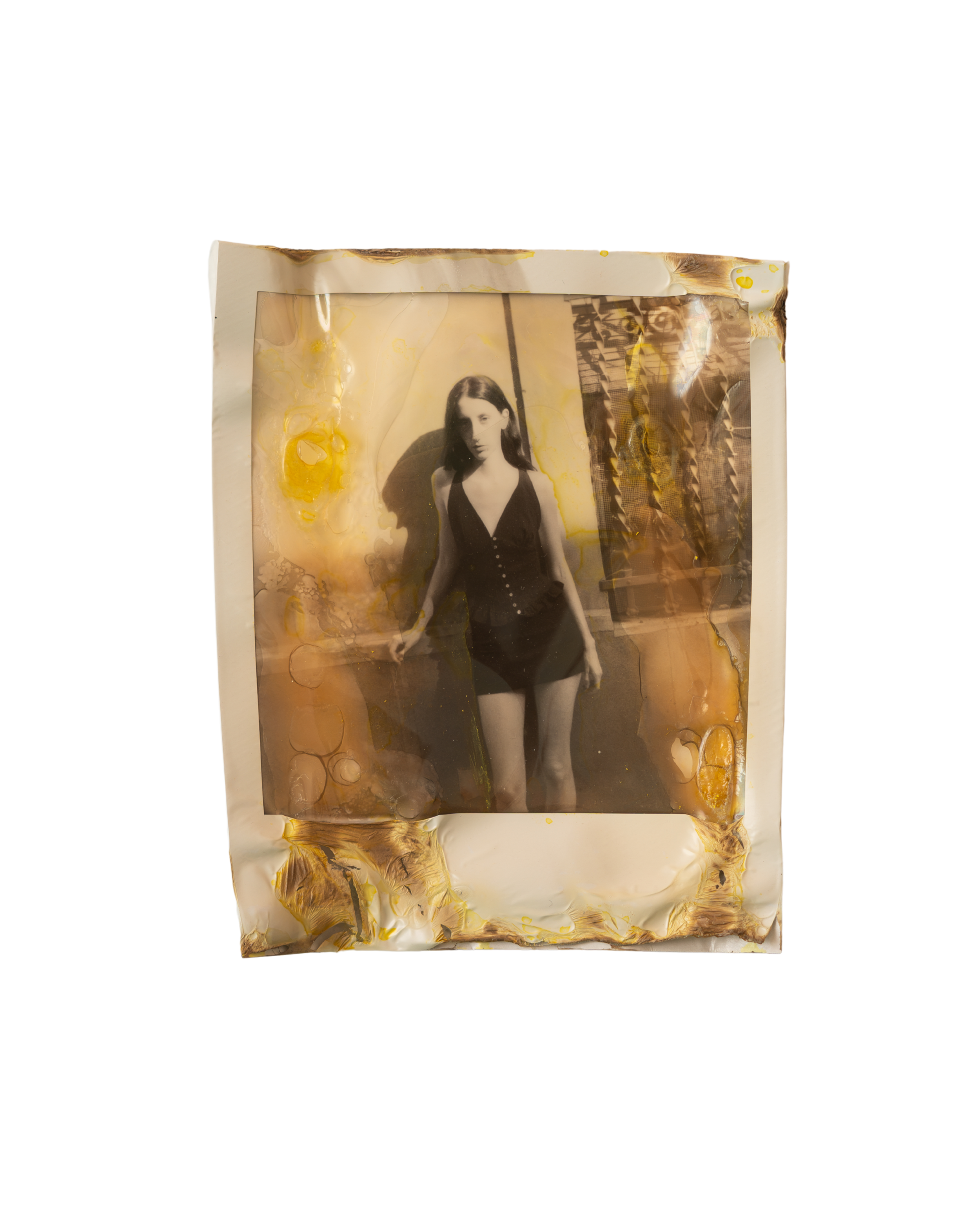
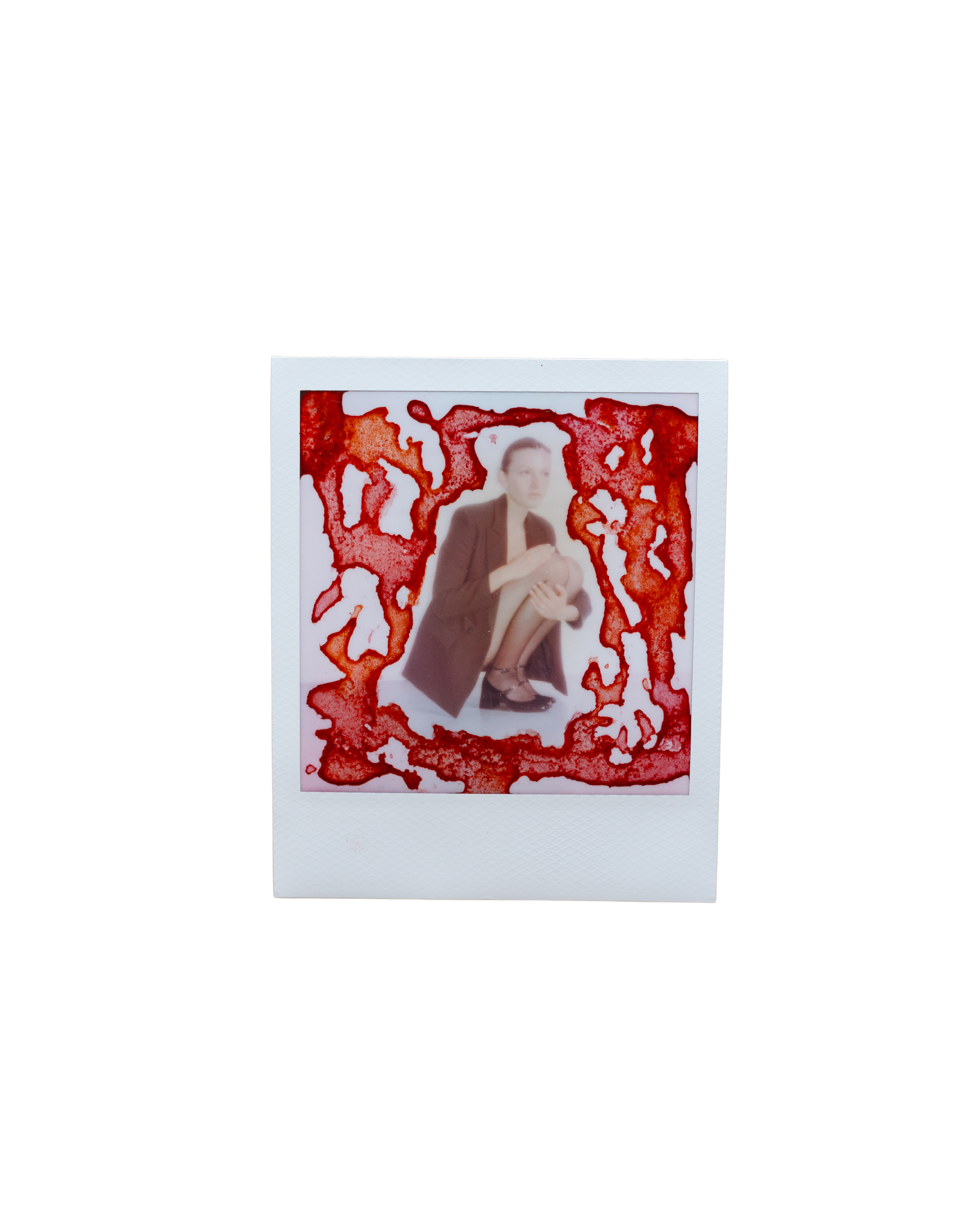
From photograph to material
My relationship with Polaroid has always been connected to experimentation. There is something particularly fascinating about working with an image that already exists as a physical object, something you can touch, peel, transfer, scratch, burn or immerse.
For my recent fashion photography experiments, I’ve been exploring what happens when I stop treating the Polaroid as something that needs to remain intact.
I’ve been working with materials that I can easily find around me: watercolor, coffee, salt, fire and other everyday elements, allowing them to interact with the photographic emulsion. And also, working with intuition around those elements.
The process is deliberately unpredictable.
Sometimes I have an idea of where the image might go. Sometimes I simply introduce a material and observe what happens.
And that uncertainty has become one of the most interesting parts of the work. Because it teaches me. All the time!
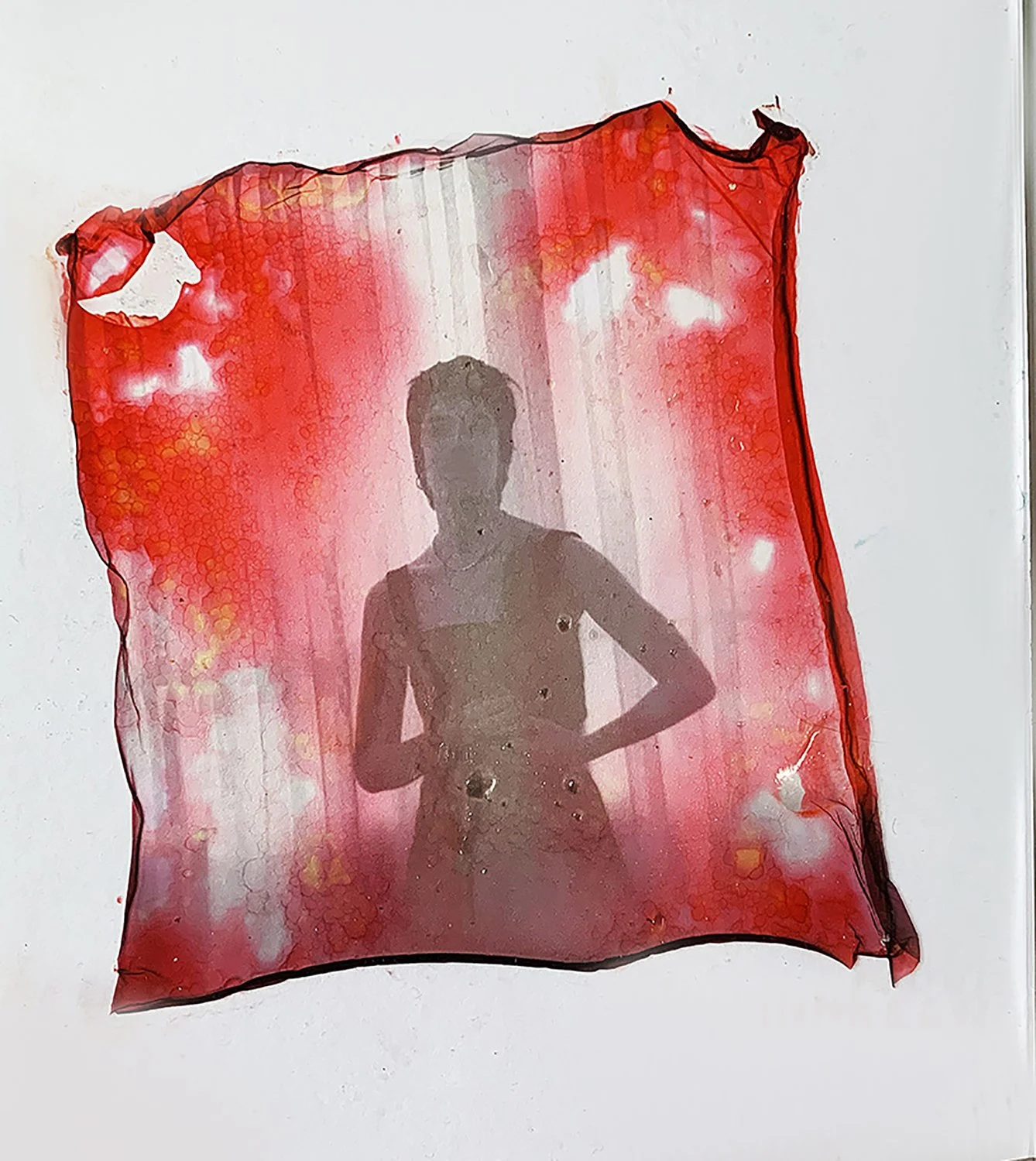
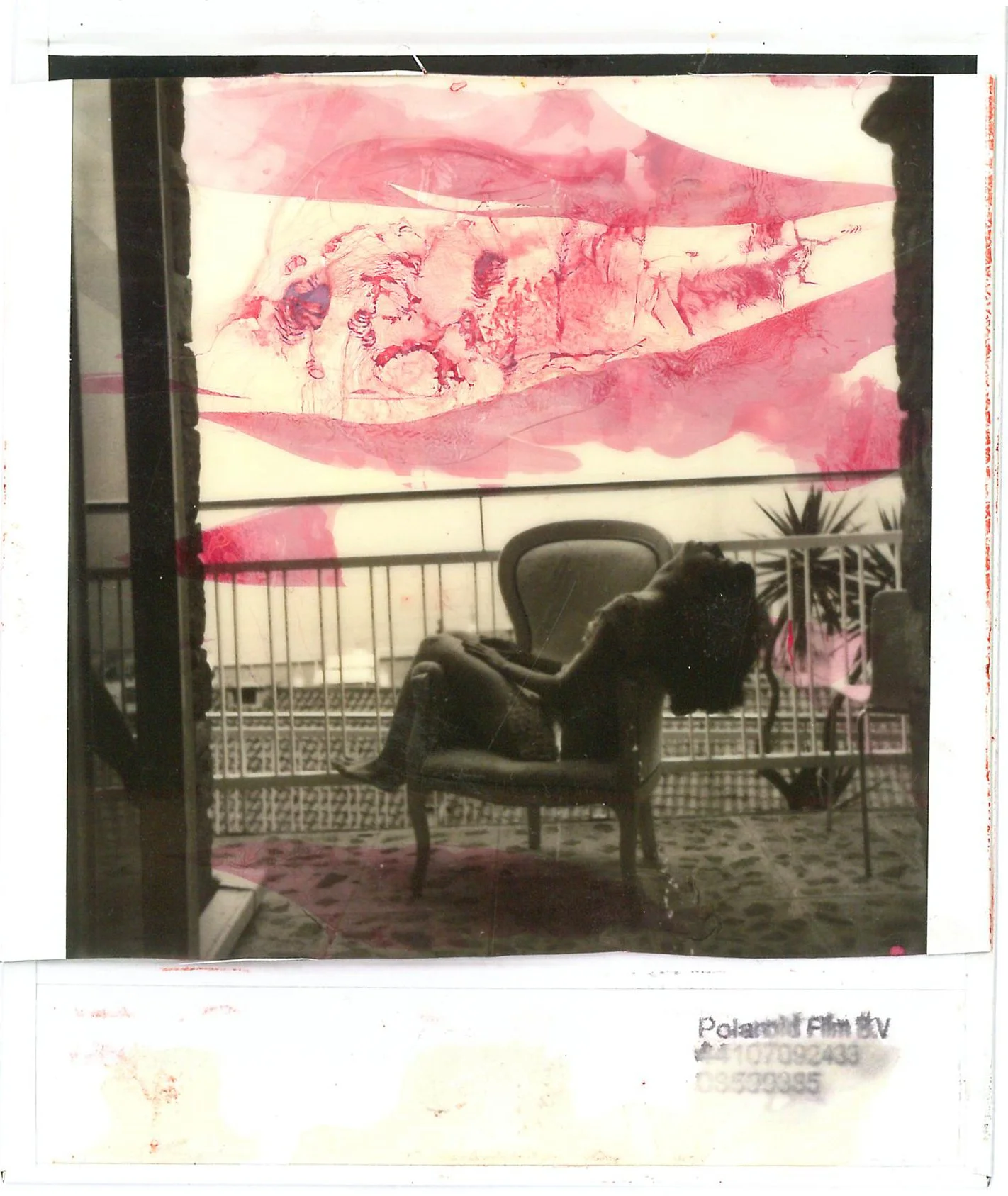
Letting the materials become part of the image
One of my recent experiments involved combining watercolor and salt directly on the Polaroid.
The salt reacts with the wet watercolor, creating small formations, stains and textures across the surface. Instead of painting a texture onto the photograph, I allow the materials to create their own.
In another experiment, I introduced fire to the photograph before working with coffee and watercolor. Burning the surface changed the way the materials interacted with the image, creating unexpected textures and marks.
The photograph becomes almost like a landscape.
The model is still there, the composition is still there, but the image has acquired another layer, one created through a physical process rather than simply through the camera.
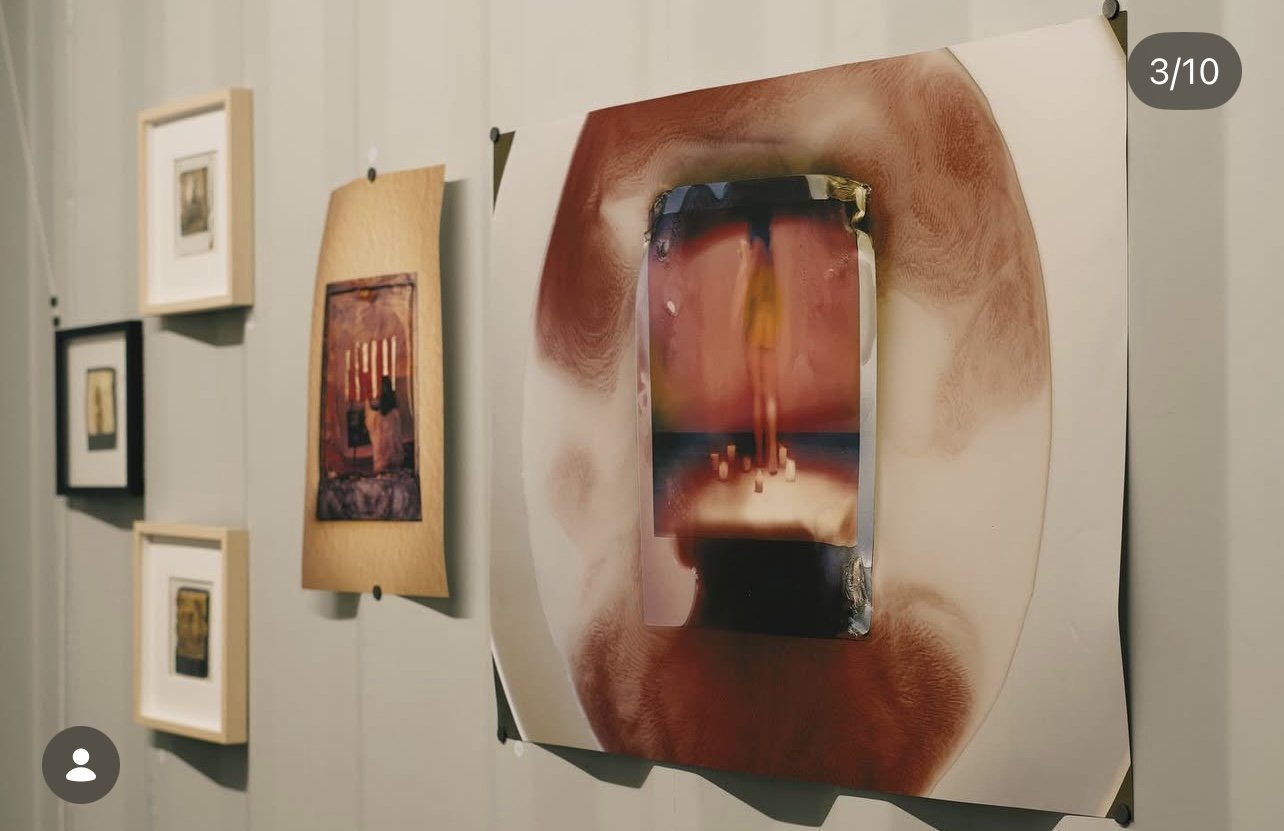
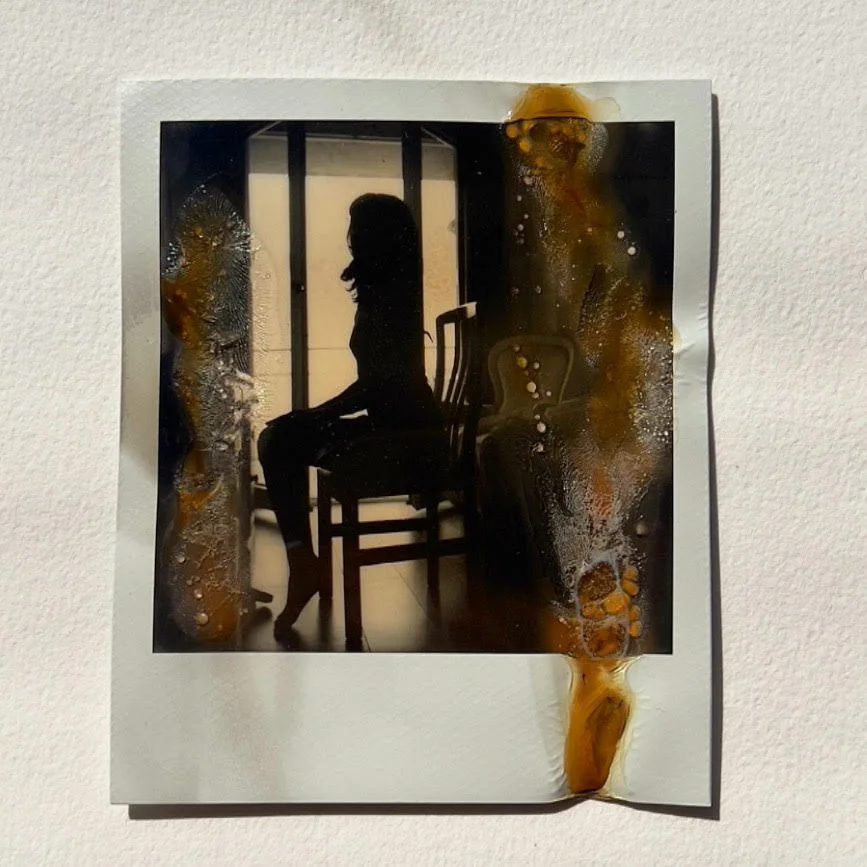
These works are part of an ongoing experimental practice, so I’m constantly testing new combinations of materials and techniques. I’m interested not only in the visual result, but in the physical process of making, observing how photographic emulsion responds when confronted with materials that were never intended to be part of the photographic image.
There is no fixed formula.
That is precisely the point. :))
