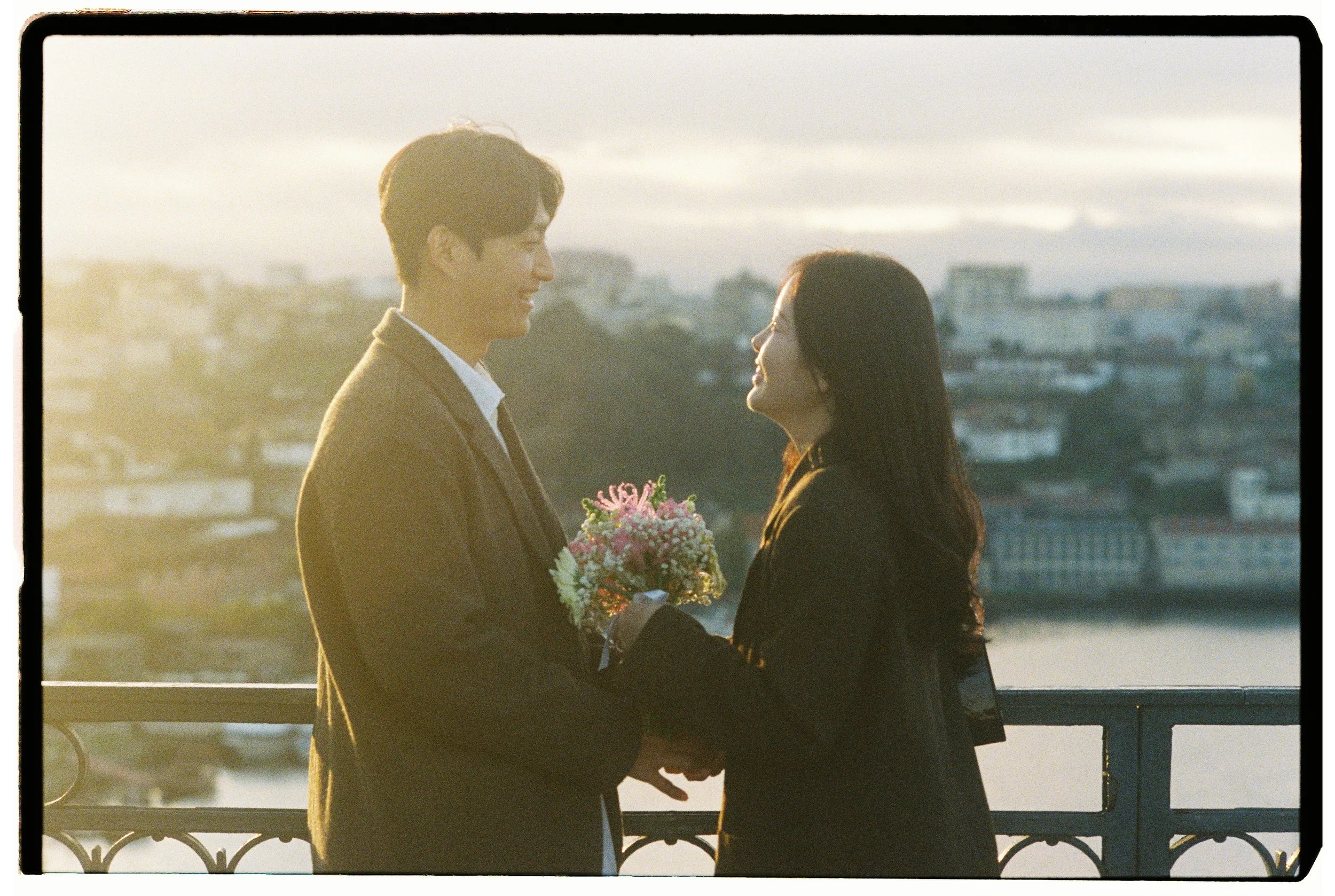
Shooting Kodak Gold 200 in Porto: Light, Texture, and Quiet Magic
A quiet exploration of Porto on Kodak Gold 200, soft light, warm tones, and the beauty of shooting film without overthinking.
There’s something about Porto that feels made for film. The soft Atlantic light, the faded facades, azulejos catching reflections at unexpected angles, everything seems to exist in a slightly nostalgic register. When I walked through the city with a roll of Kodak Gold 200, I wasn’t just documenting; I was translating a mood. Kodak Gold 200 is often described as a “consumer” film, but in the right setting, it becomes something much more poetic. In Porto, it shines.
Why Kodak Gold 200 Works in Porto
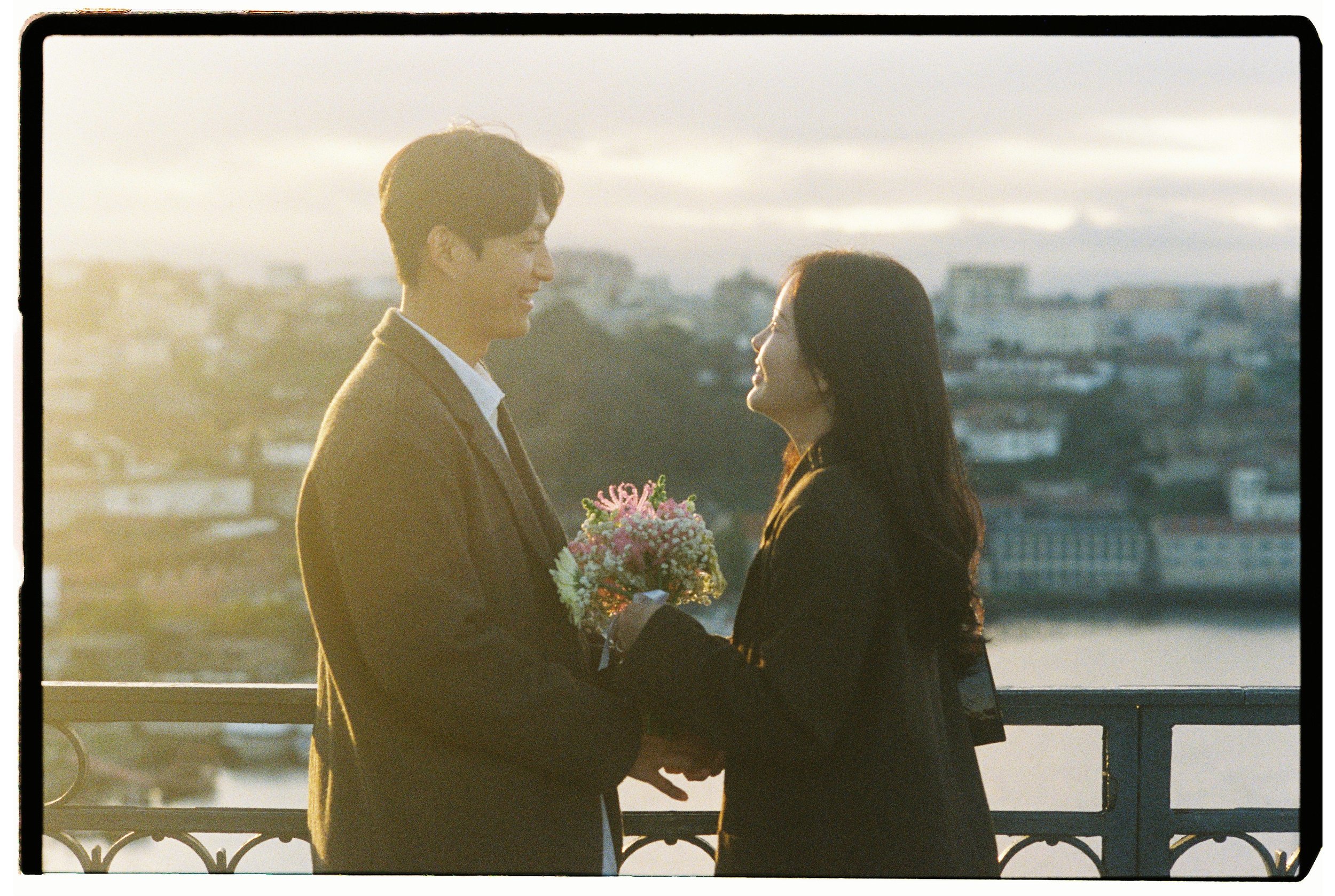
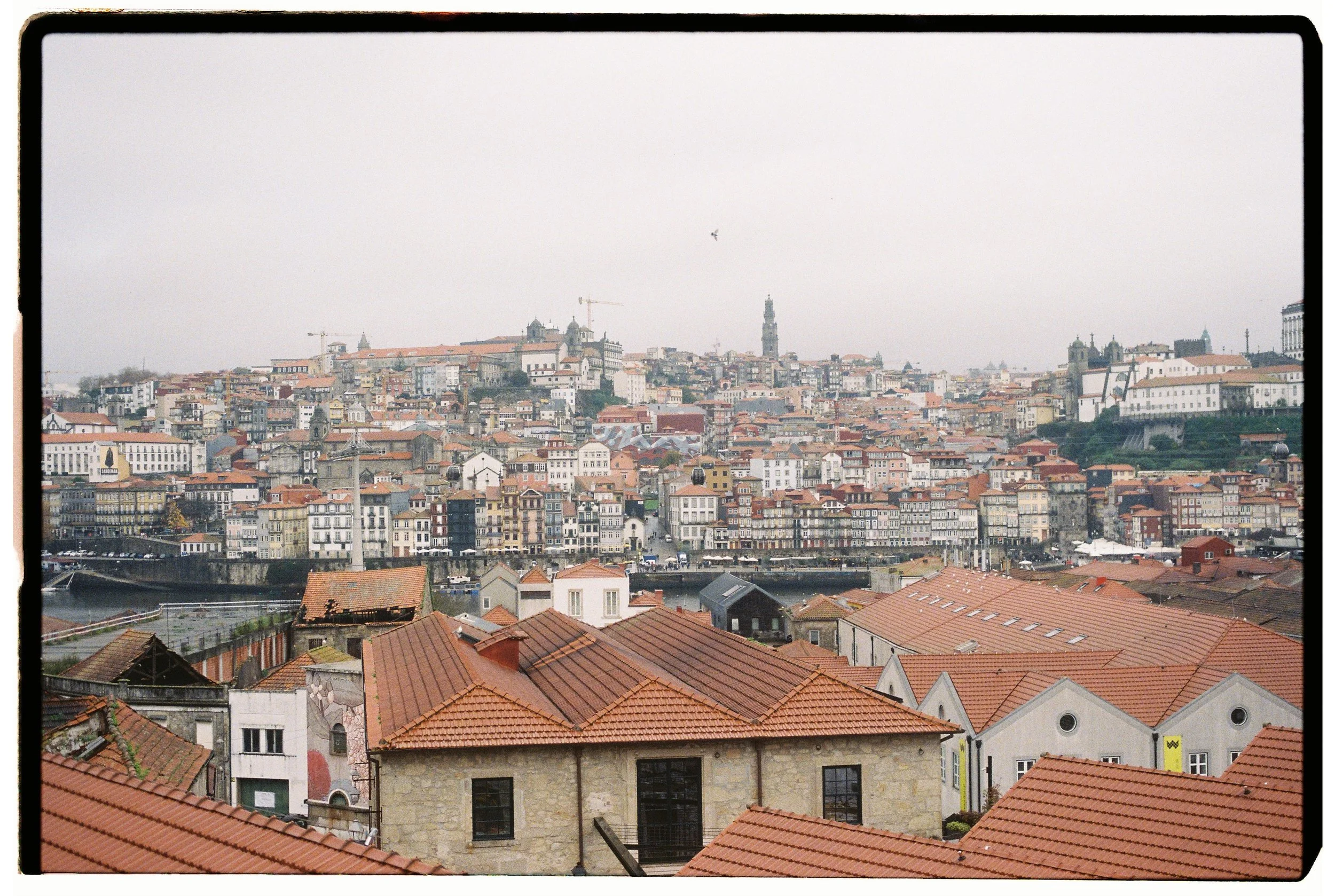
Gold 200 has a warm color palette with gentle contrast and a subtle grain structure. It leans toward golden tones, which pairs beautifully with Porto’s architecture, the terracotta rooftops, sunlit stone, and aged pastel walls.
Unlike more clinical film stocks, Gold doesn’t try to be perfect. It embraces imperfection in a way that feels honest, especially in a city that carries its age with pride.
Light in Porto
The light here changes constantly. Mornings are often soft and diffused, especially near the Douro River, where humidity creates a natural haze. Midday light can be strong but still retains a softness compared to harsher climates. Toward sunset, everything turns golden, almost exaggeratedly so, and this is where Kodak Gold truly comes alive.
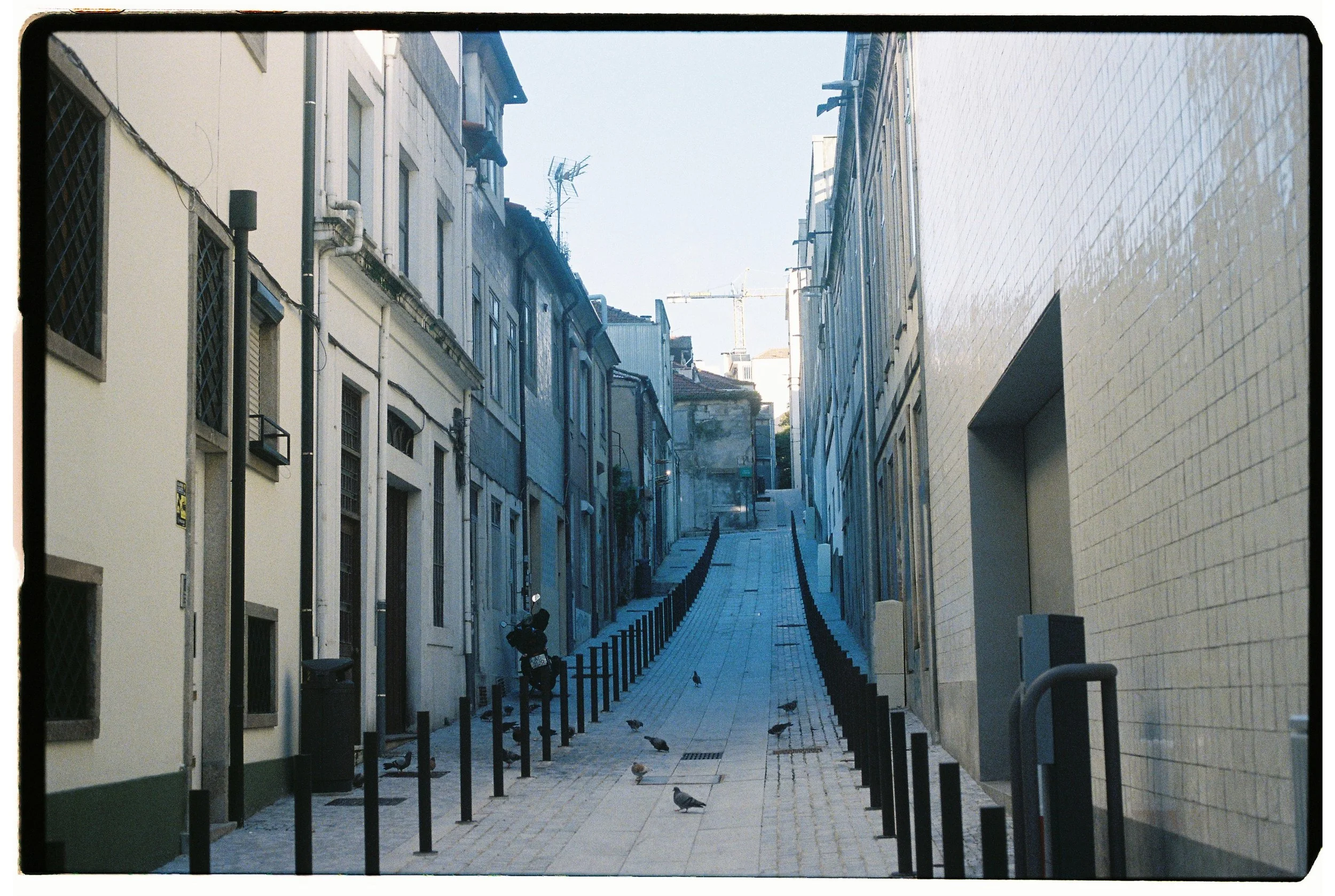
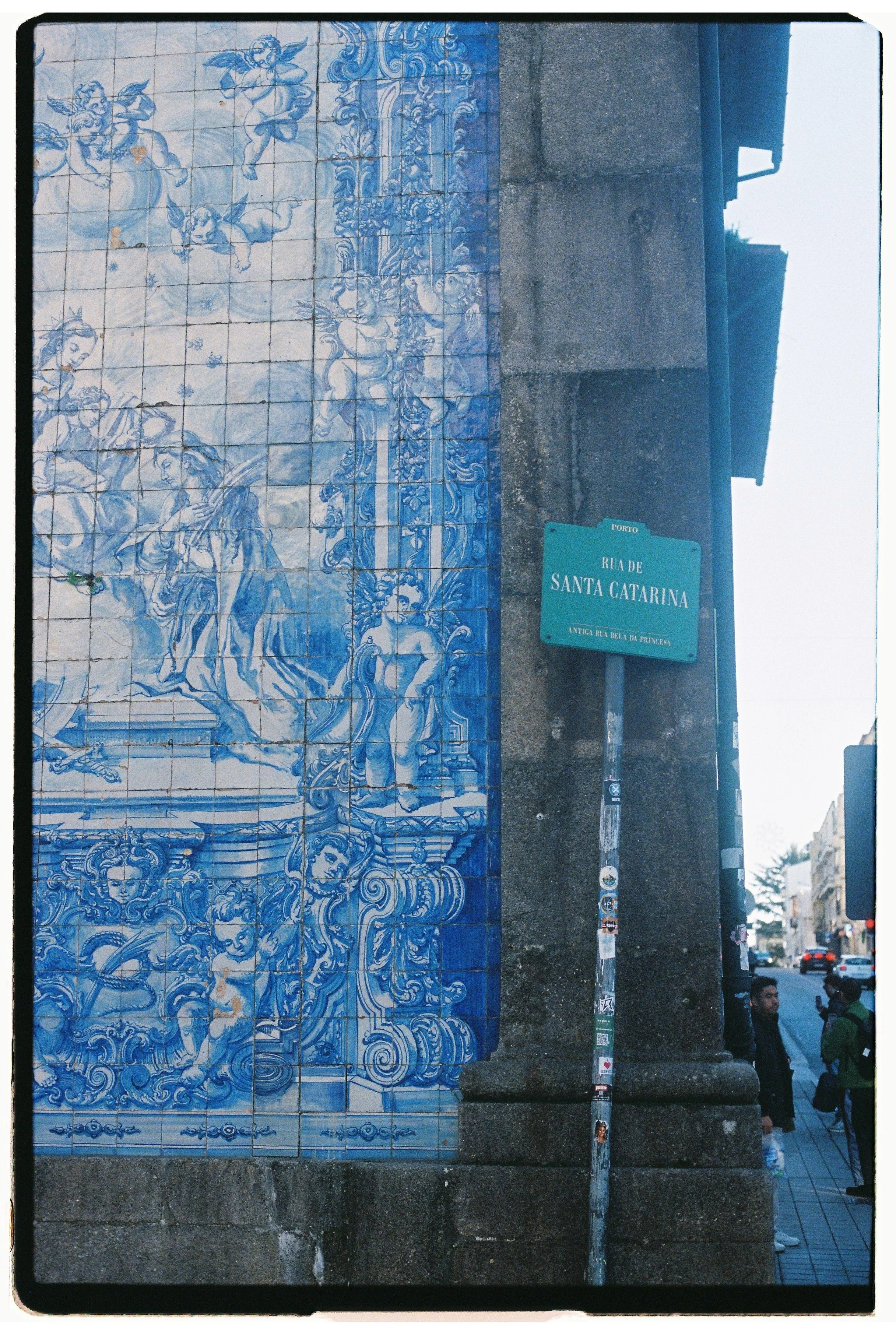
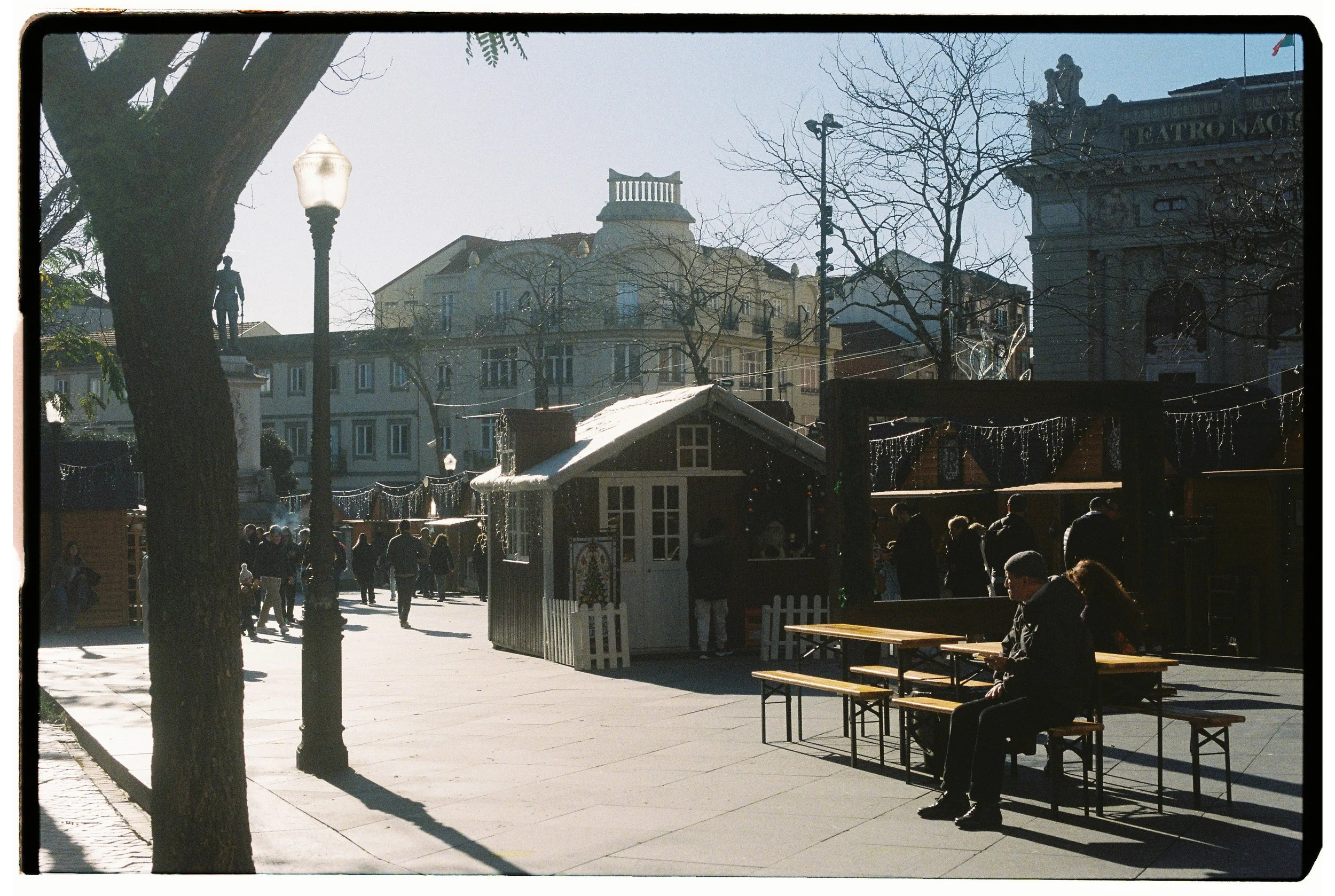
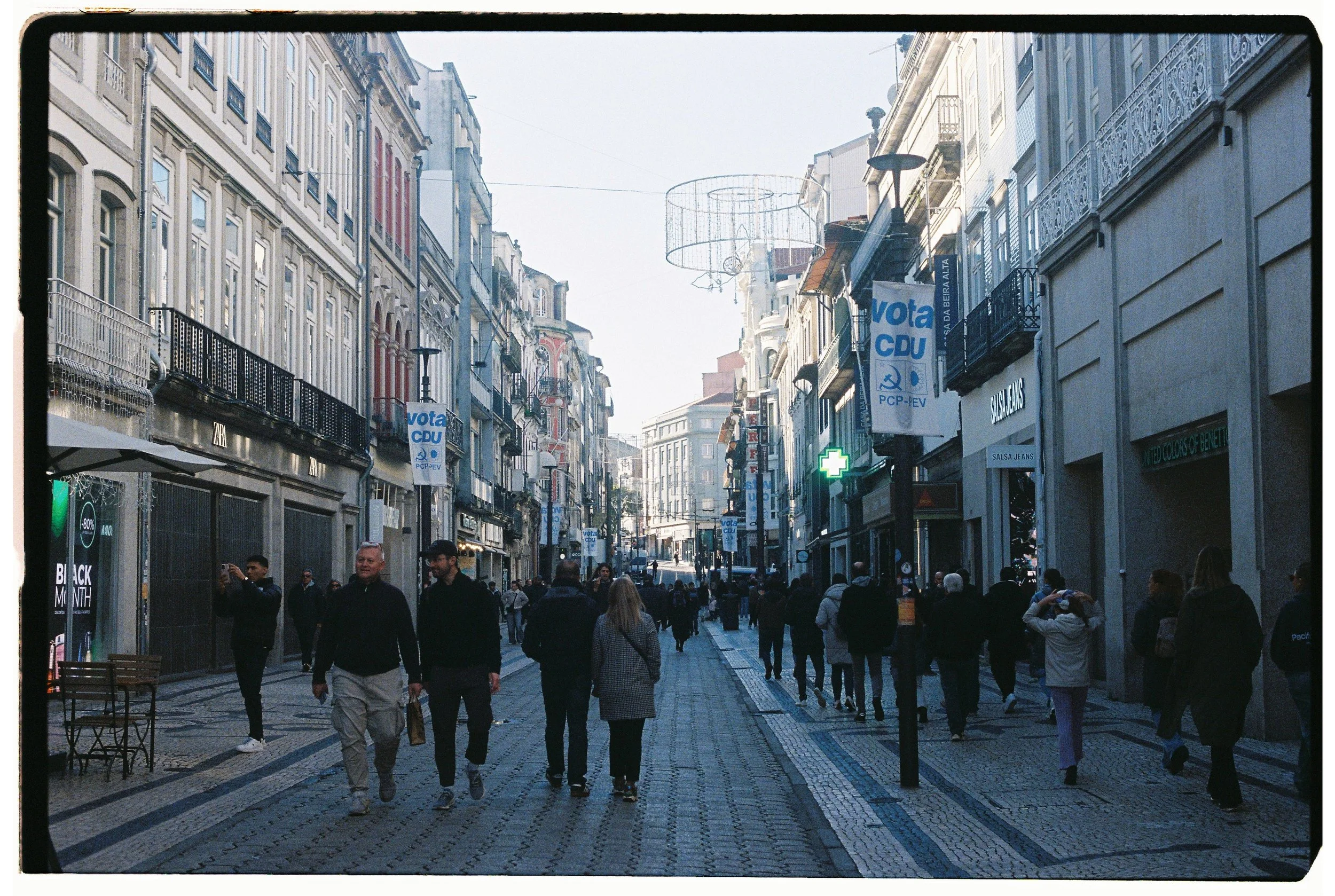
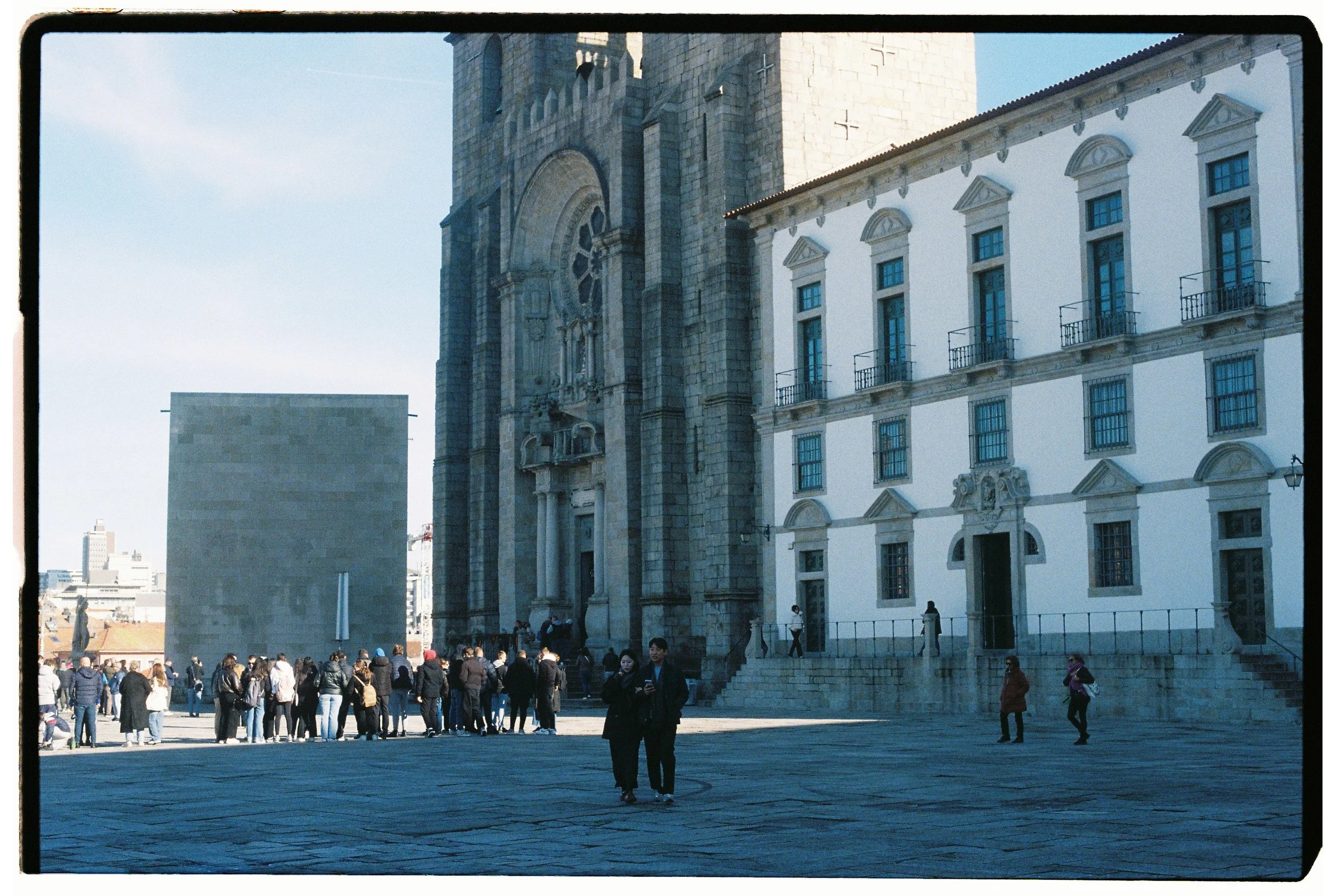
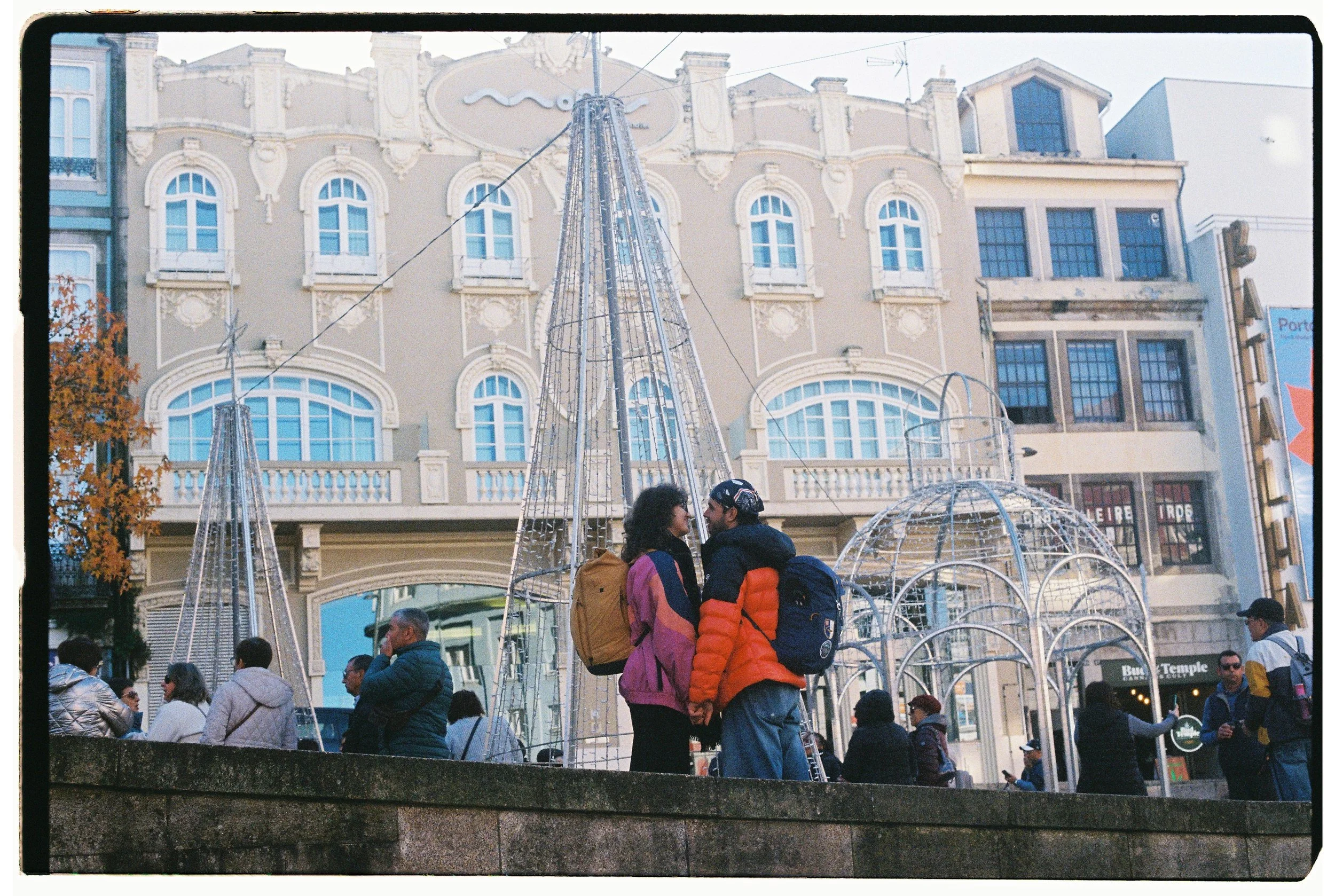
I found myself exposing slightly for the highlights, letting shadows fall gently. Gold handles overexposure beautifully, so giving it a bit more light enhances that dreamy, airy feeling.
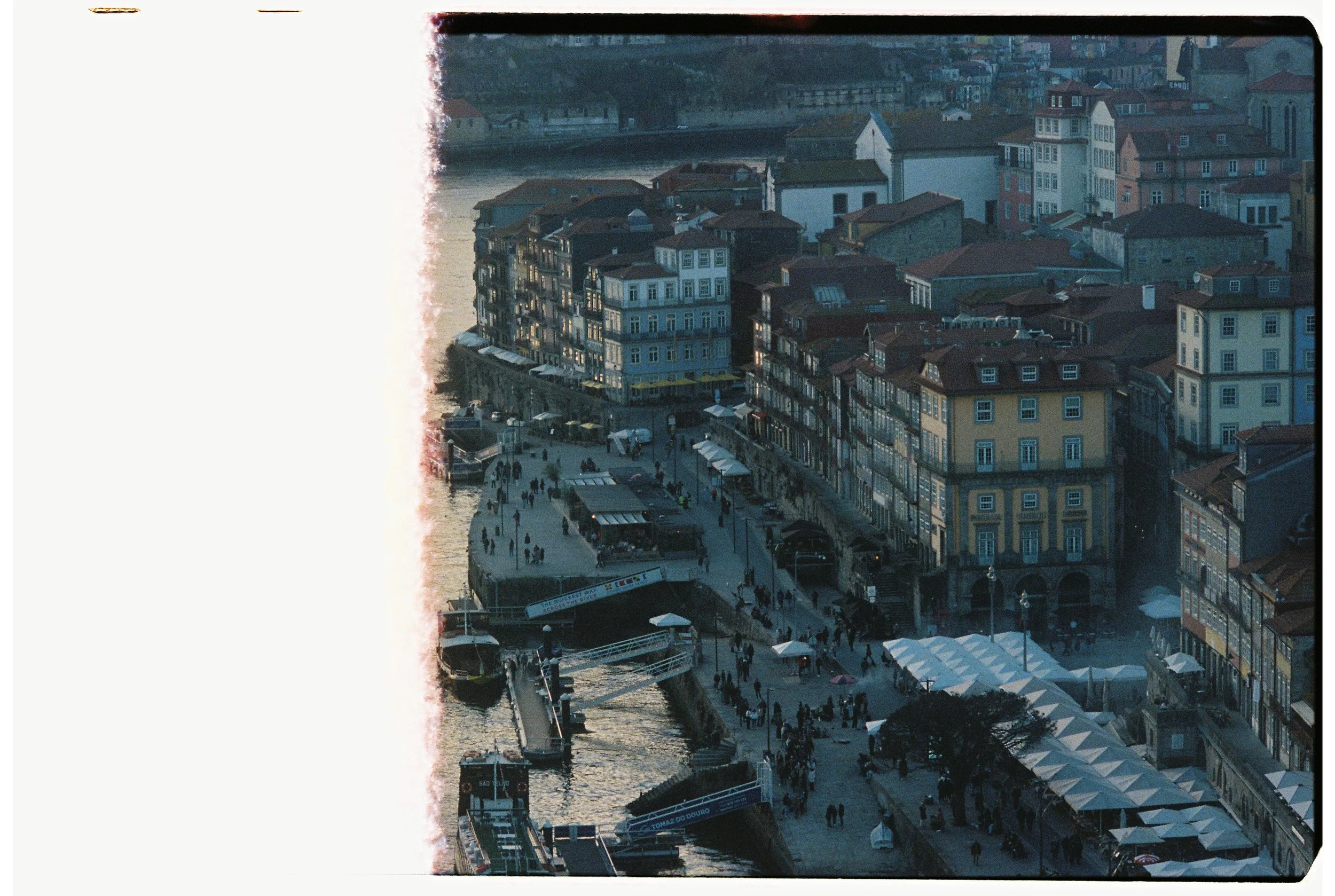
Kodak Gold doesn’t oversharpen these details, it softens them just enough to feel tactile without being harsh. Blues from the tiles shift slightly toward cyan, while reds and yellows glow warmly without becoming overwhelming.
Skin tones, too, remain natural but with a subtle warmth that feels intimate rather than stylized.
Shooting Approach
Walking through neighborhoods like Ribeira or Miragaia, I avoided rushing. Film naturally slows you down, but in Porto, it becomes almost necessary. The beauty is not in grand landmarks alone, but in small, quiet compositions, a curtain moving in the wind, reflections in a tiled wall, a figure crossing a narrow street.
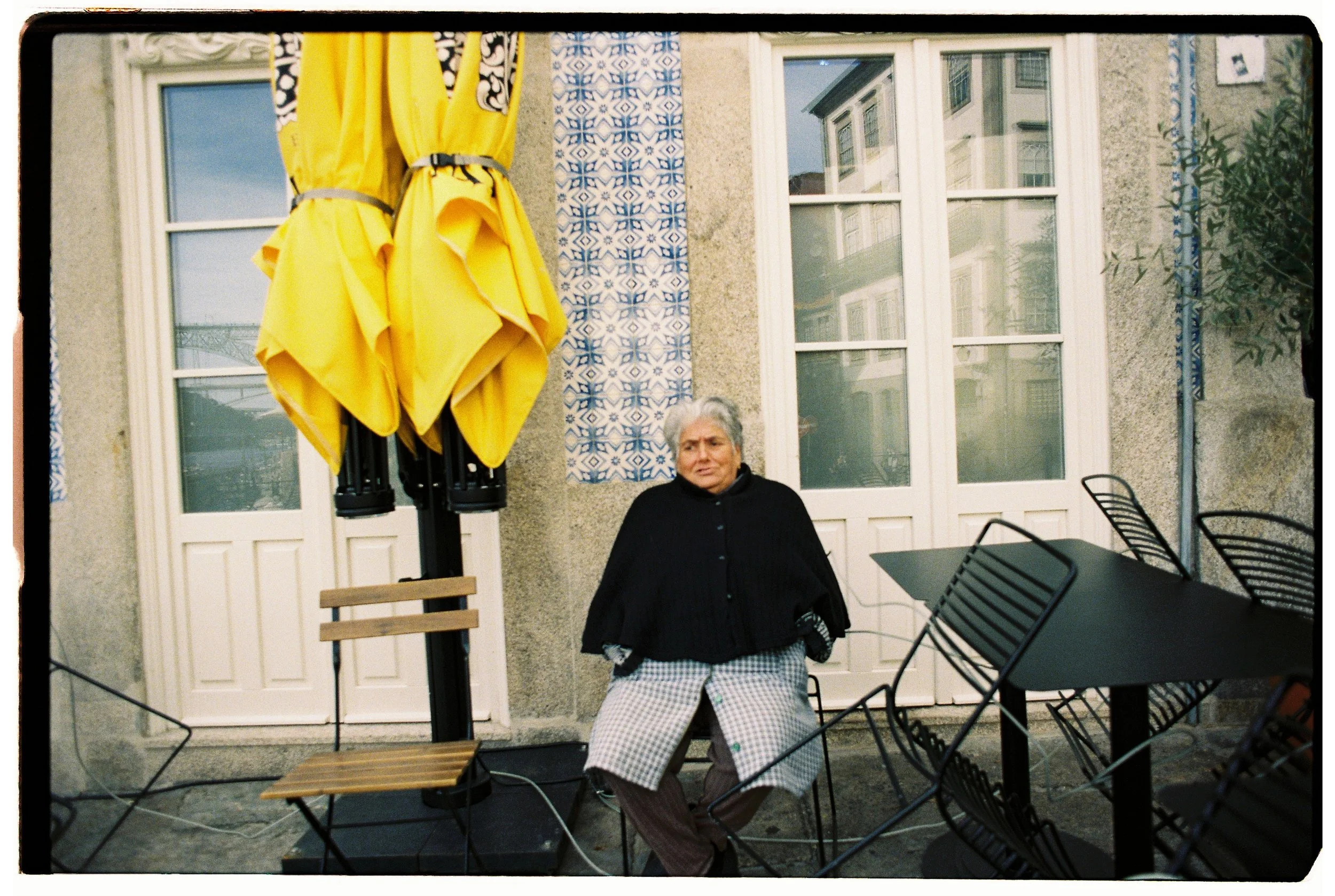
I shot intuitively, often without overthinking composition. Kodak Gold rewards that kind of spontaneity.
When to Use It
Kodak Gold 200 works best here when:
you’re shooting in natural light
you want warmth without heavy saturation
you’re embracing a slightly nostalgic aesthetic
you’re open to imperfection
It’s not about sharpness or precision, it’s about feeling.
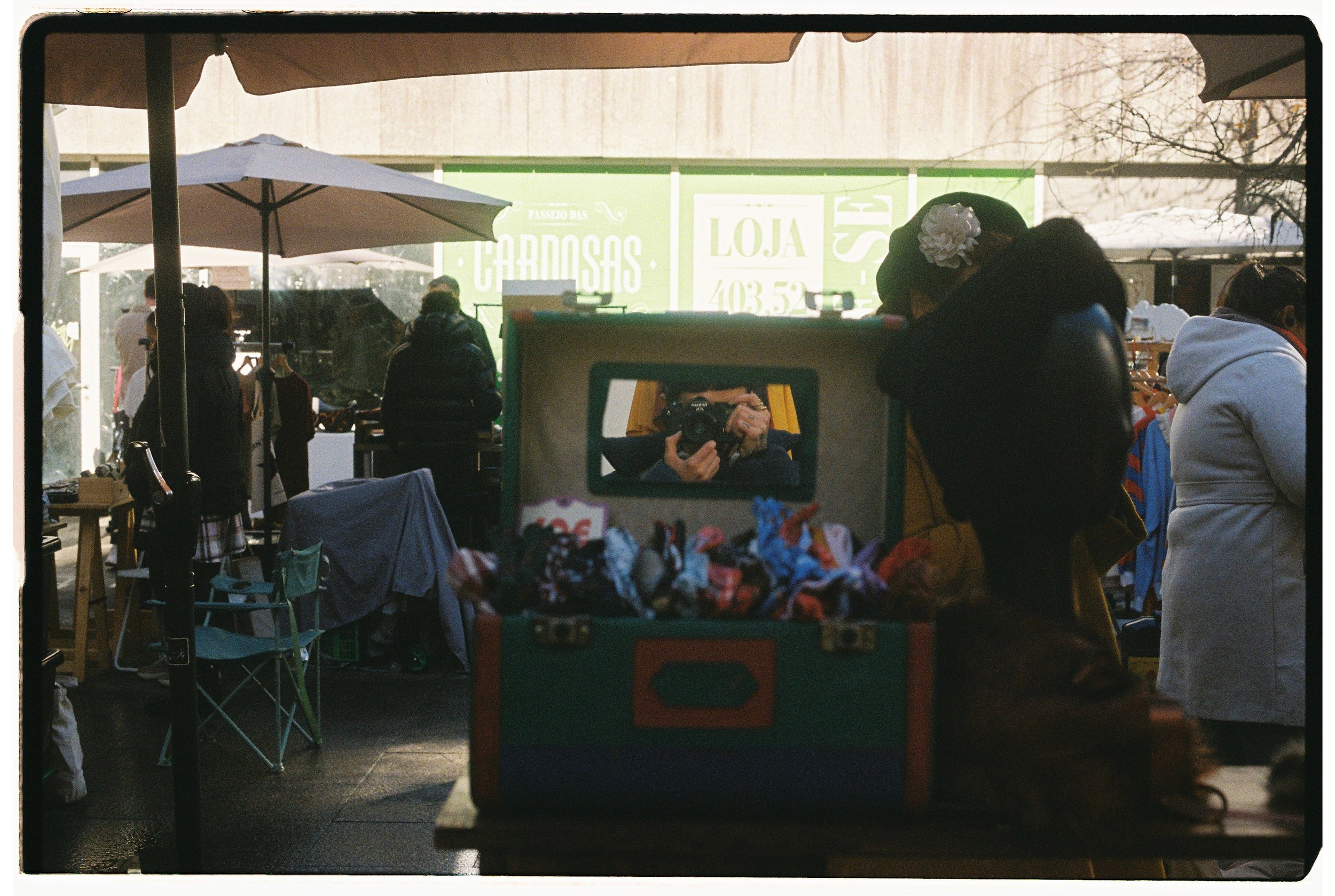
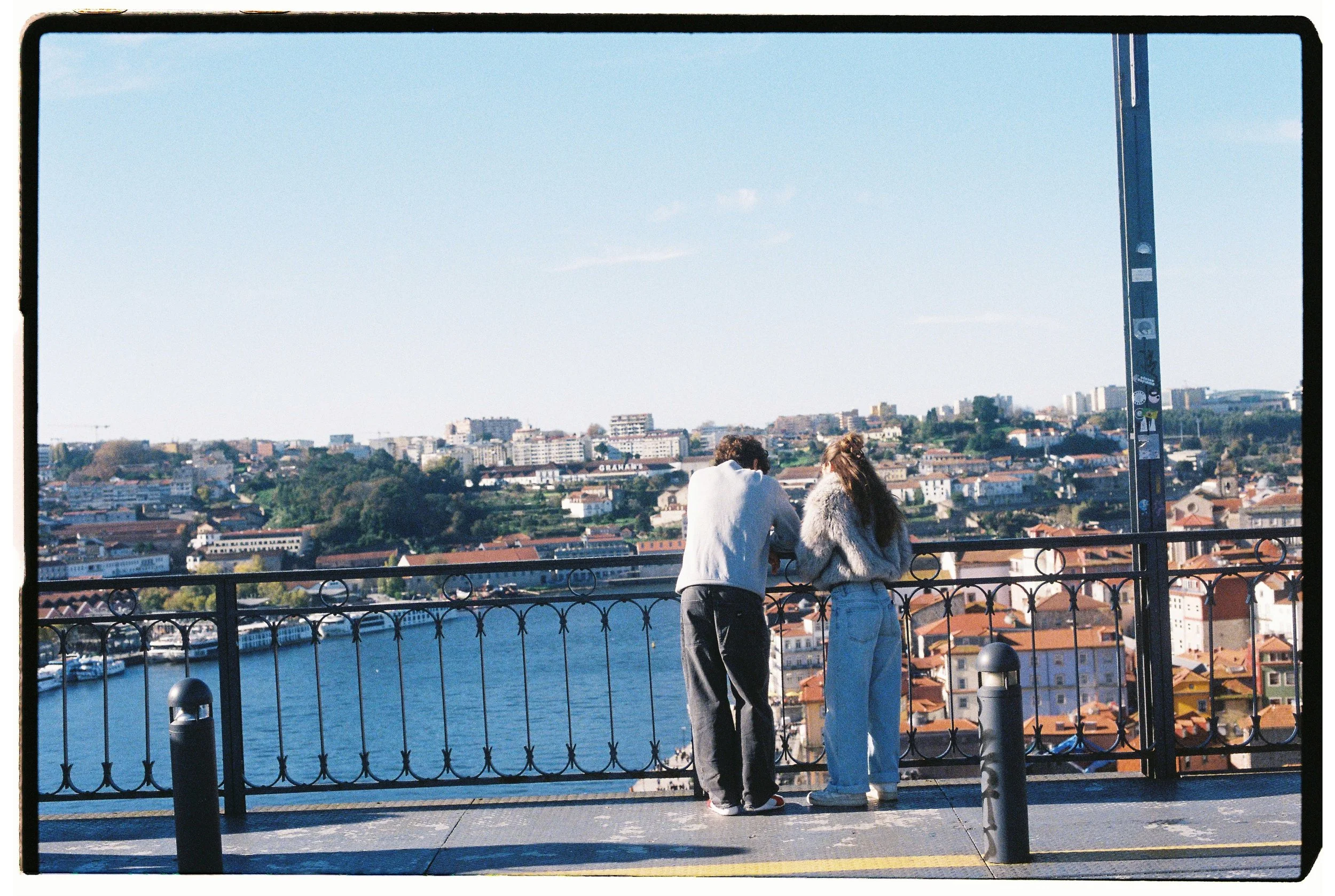
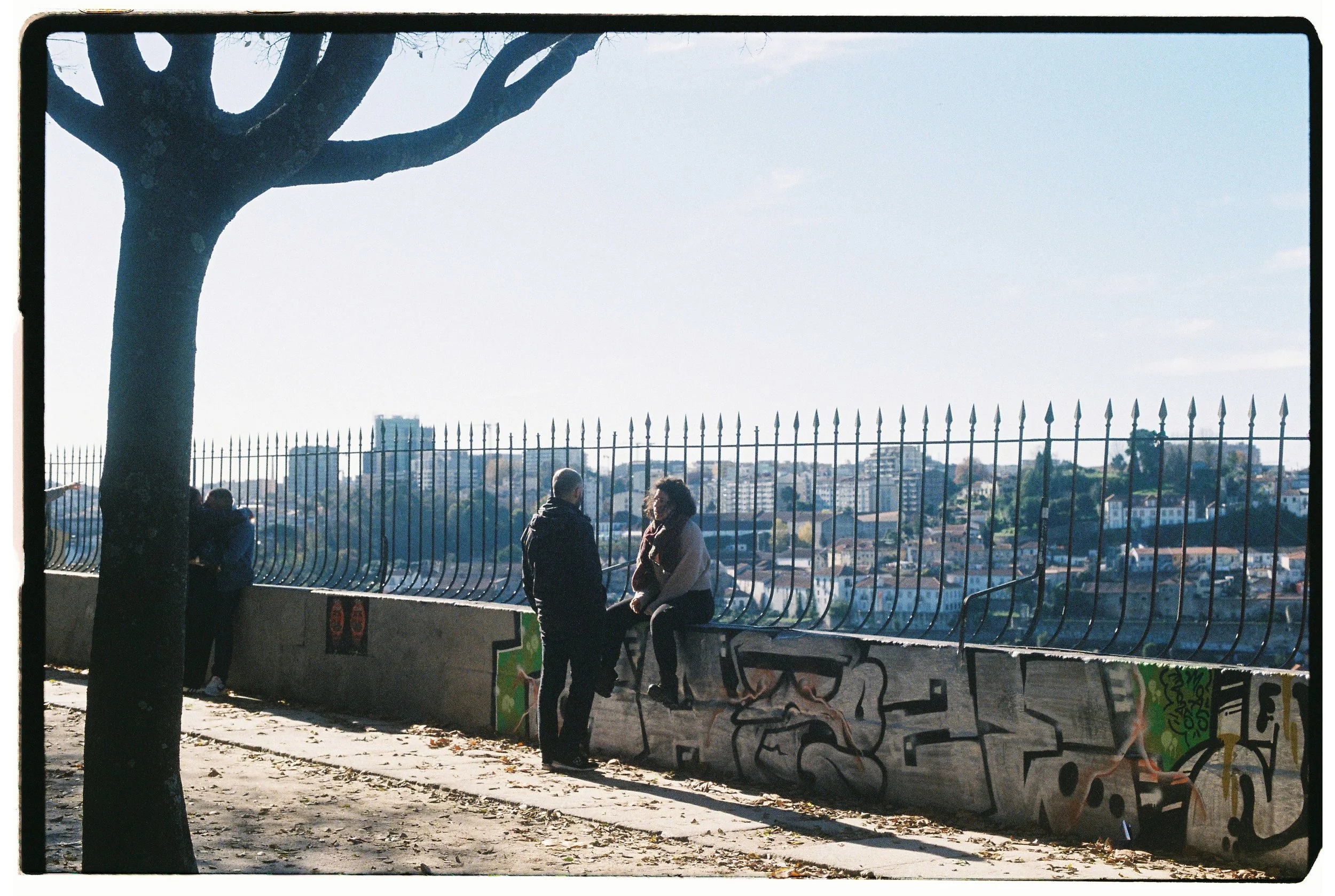
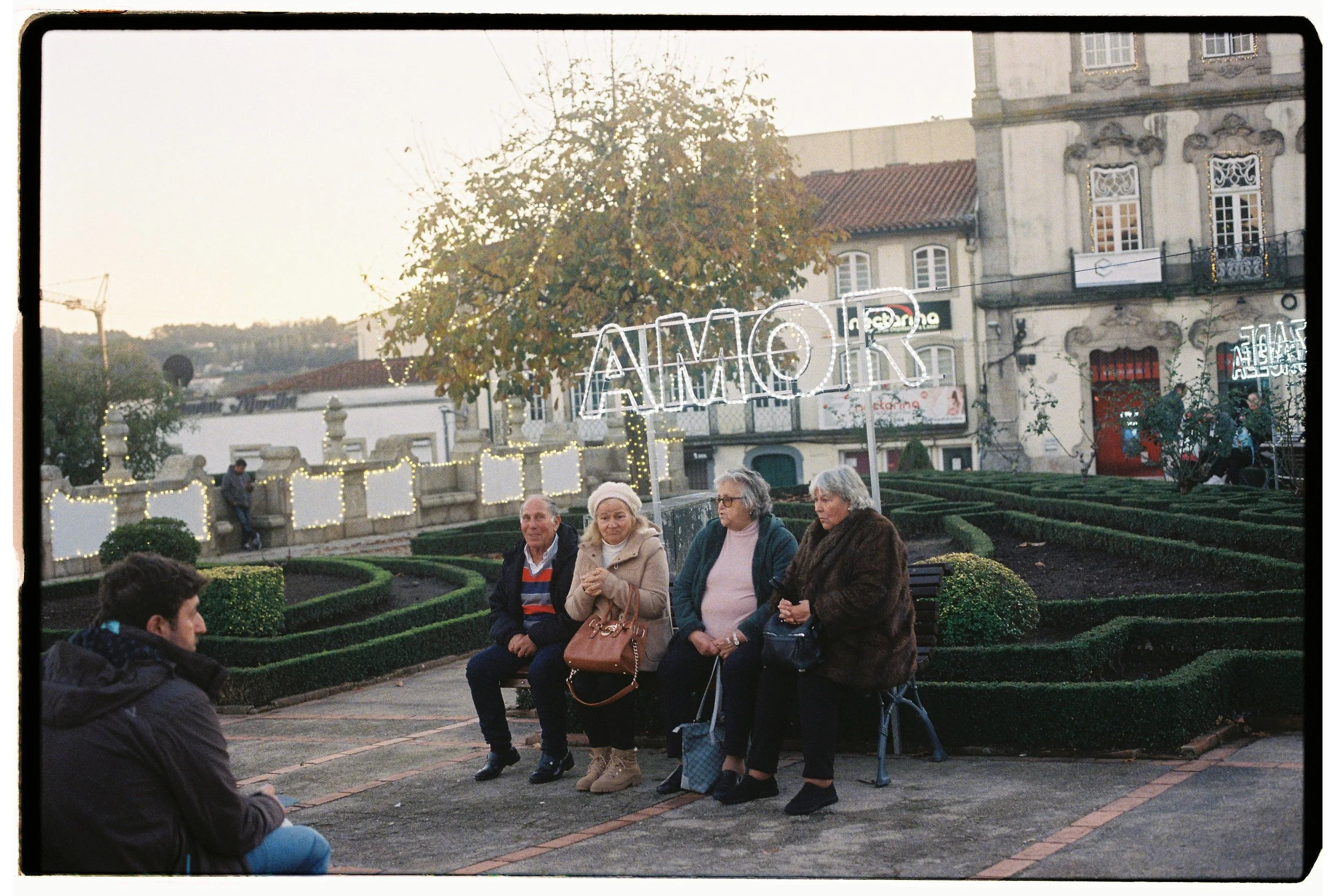
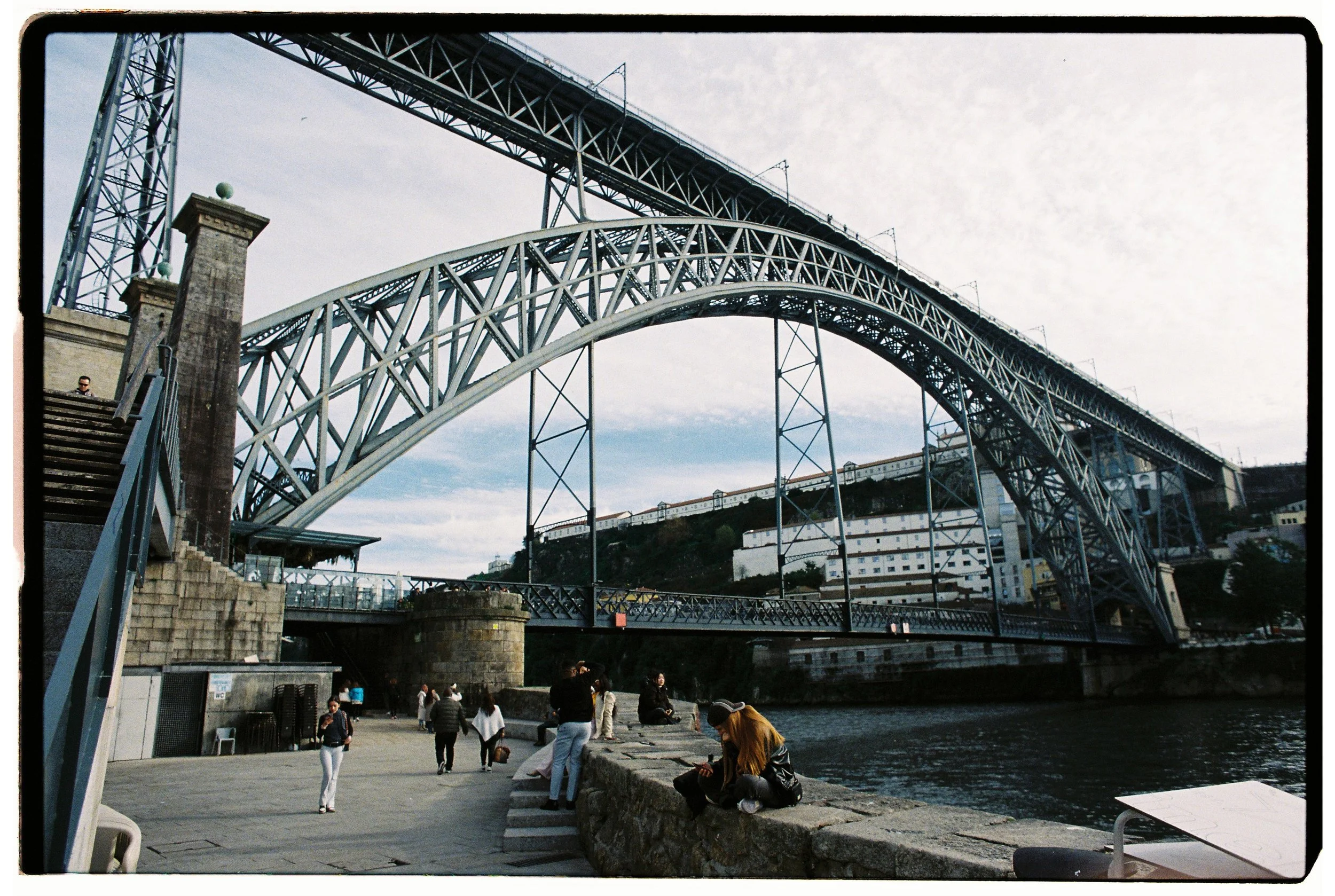
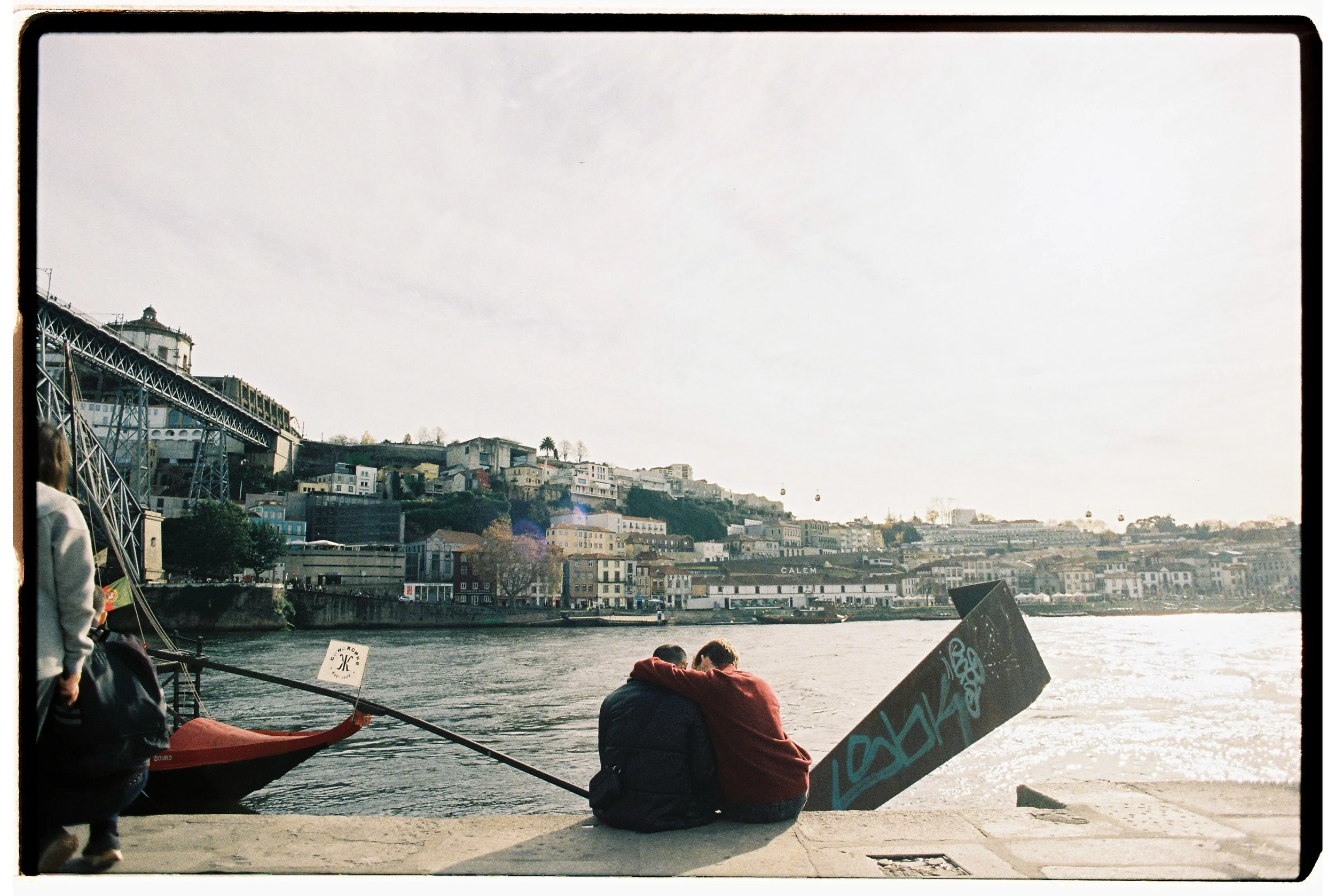
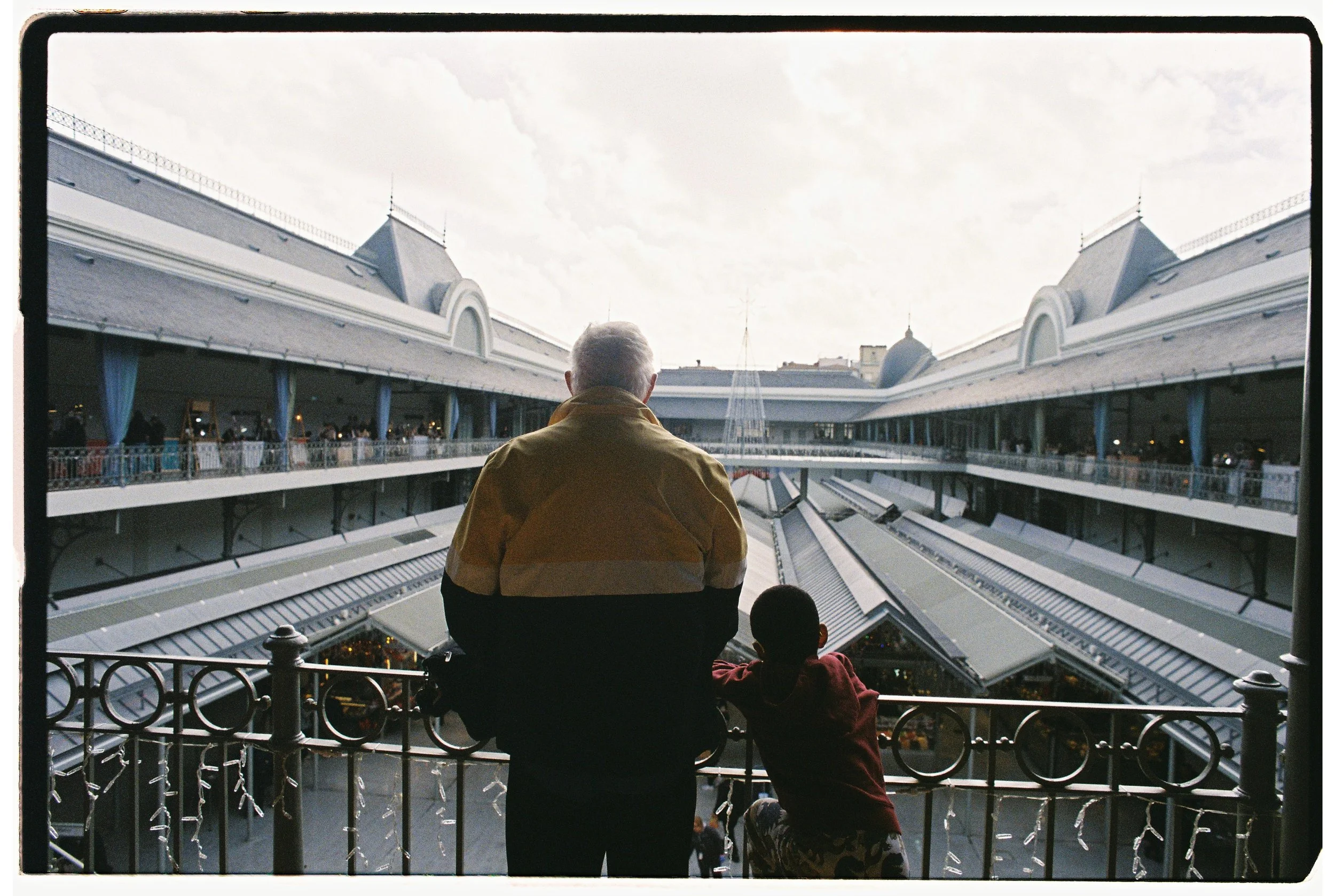
Porto doesn’t need to be exaggerated to feel cinematic. It already is. Kodak Gold 200 simply meets the city where it is, enhancing what’s already there without trying too hard.
If you’re visiting Porto and want to capture its essence on film, this stock is a quiet, reliable companion. Not flashy, not perfect, but deeply expressive in the right hands.
And maybe that’s exactly what Porto deserves.
Buy Kodak Gold iso 200 here :) it contains affiliate link that helps with my photography journey! :)

The Legendary Nikon F & Annie Leibovitz: A Love Affair with Storytelling Through the Lens
The Nikon F, released in 1959, wasn't just a camera—it was a revolution.

Annie & Mick Jagger, 1976

The Nikon F, released in 1959, wasn't just a camera—it was a revolution. As one of the first successful 35mm SLR (Single-Lens Reflex) cameras, it became the gold standard for professional photographers throughout the 1960s and ’70s. Rugged, reliable, and beautifully engineered, it offered photographers something rare at the time: complete creative control in a portable form.
One of the most iconic figures to wield the Nikon F was Annie Leibovitz. While she later became synonymous with medium format cameras and digital systems, her early years—especially during her time at Rolling Stone magazine in the 1970s—were shaped through the viewfinder of the Nikon F.
While studying at the San Francisco Art Institute, Annie began to hone her eye for portraiture. Her early assignments at Rolling Stone magazine demanded mobility, intimacy, and immediacy — qualities the Nikon F delivered effortlessly. Its mechanical simplicity allowed her to be present, fluid, and intuitive in fast-paced environments. She could shoot in low light, on the fly, and with minimal setup — crucial for her spontaneous, character-driven style.
Armed with the Nikon F, Annie photographed a generation in flux — John Lennon, Mick Jagger, Bob Dylan, and Hunter S. Thompson, often in unguarded moments. The camera helped her capture not just faces, but emotional truths. One of her most iconic images — John Lennon curled naked beside Yoko Ono just hours before his assassination — was taken with this approach, a blend of technical mastery and vulnerable humanity.
With this camera, Annie captured raw, unfiltered portraits of rock stars, activists, and counterculture icons. The Nikon F became an extension of her presence—fast, intuitive, and unobtrusive, allowing her to get close, emotionally and physically, to her subjects. Her work with this camera helped define an era of intimate, narrative-driven portraiture.
🖤 The Nikon F didn’t just document history—it helped create it. For Annie, it was the tool that let her see stories before she told them.