When Photography Meets Reflection: A Creative Workshop with Planet Labs
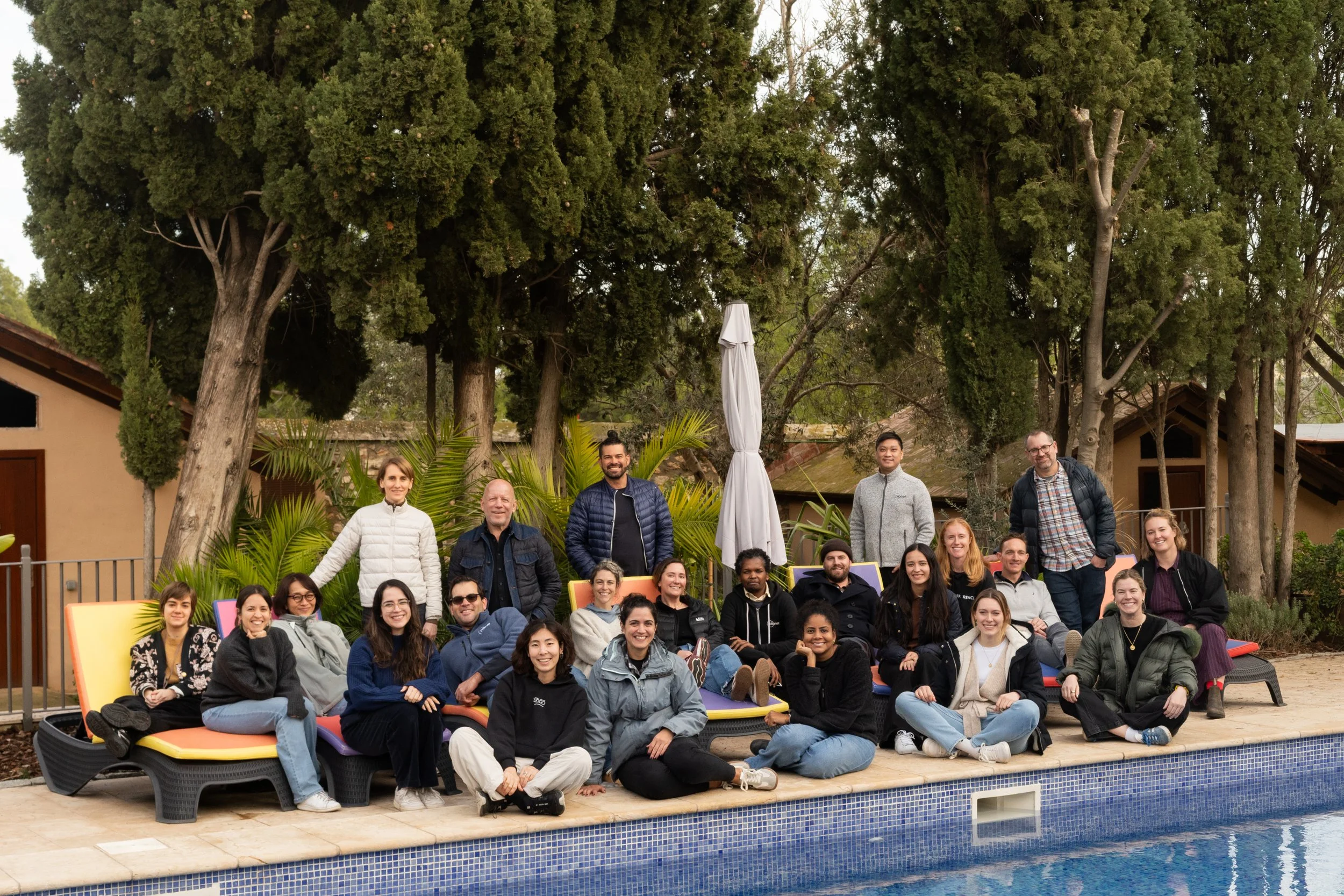
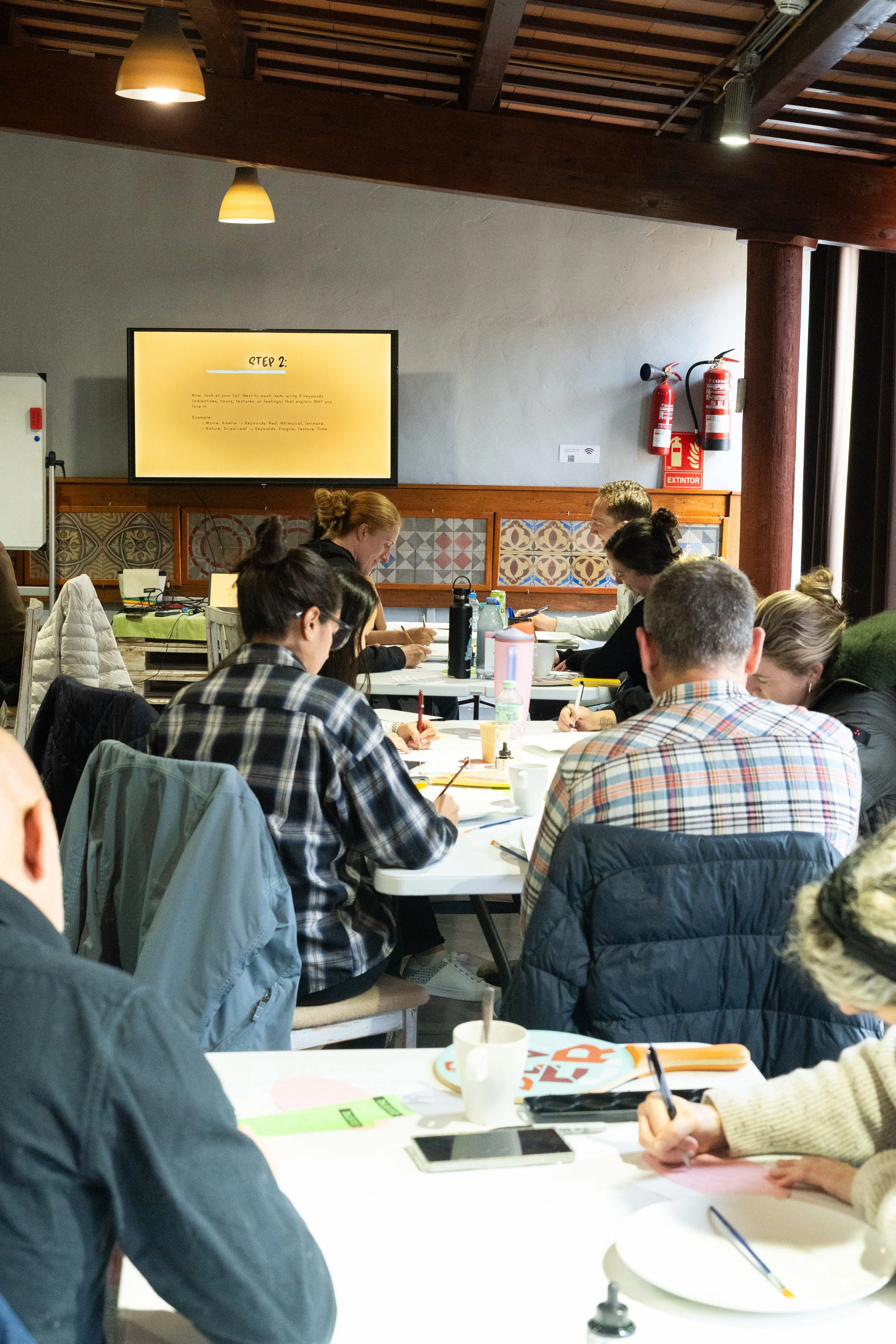
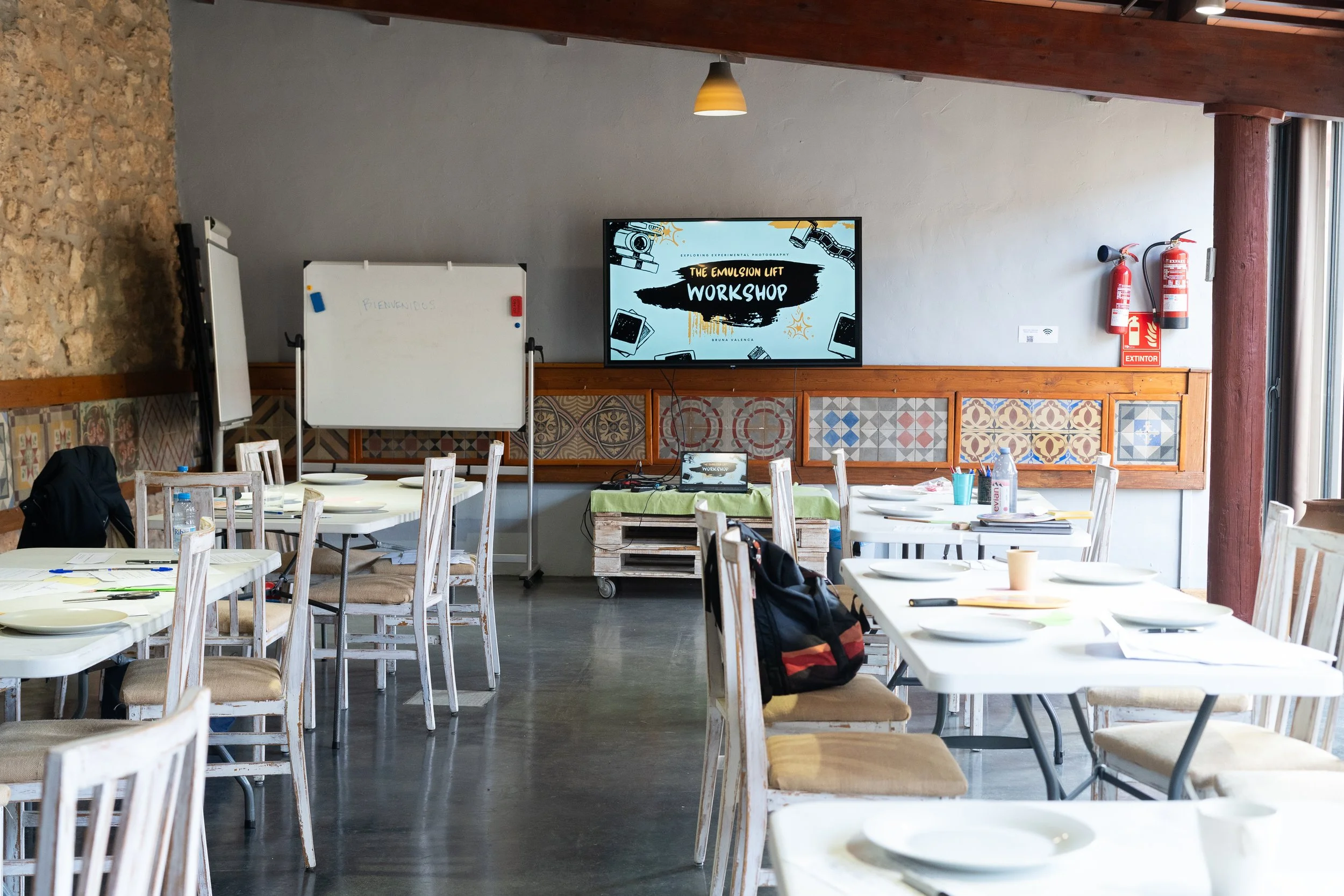
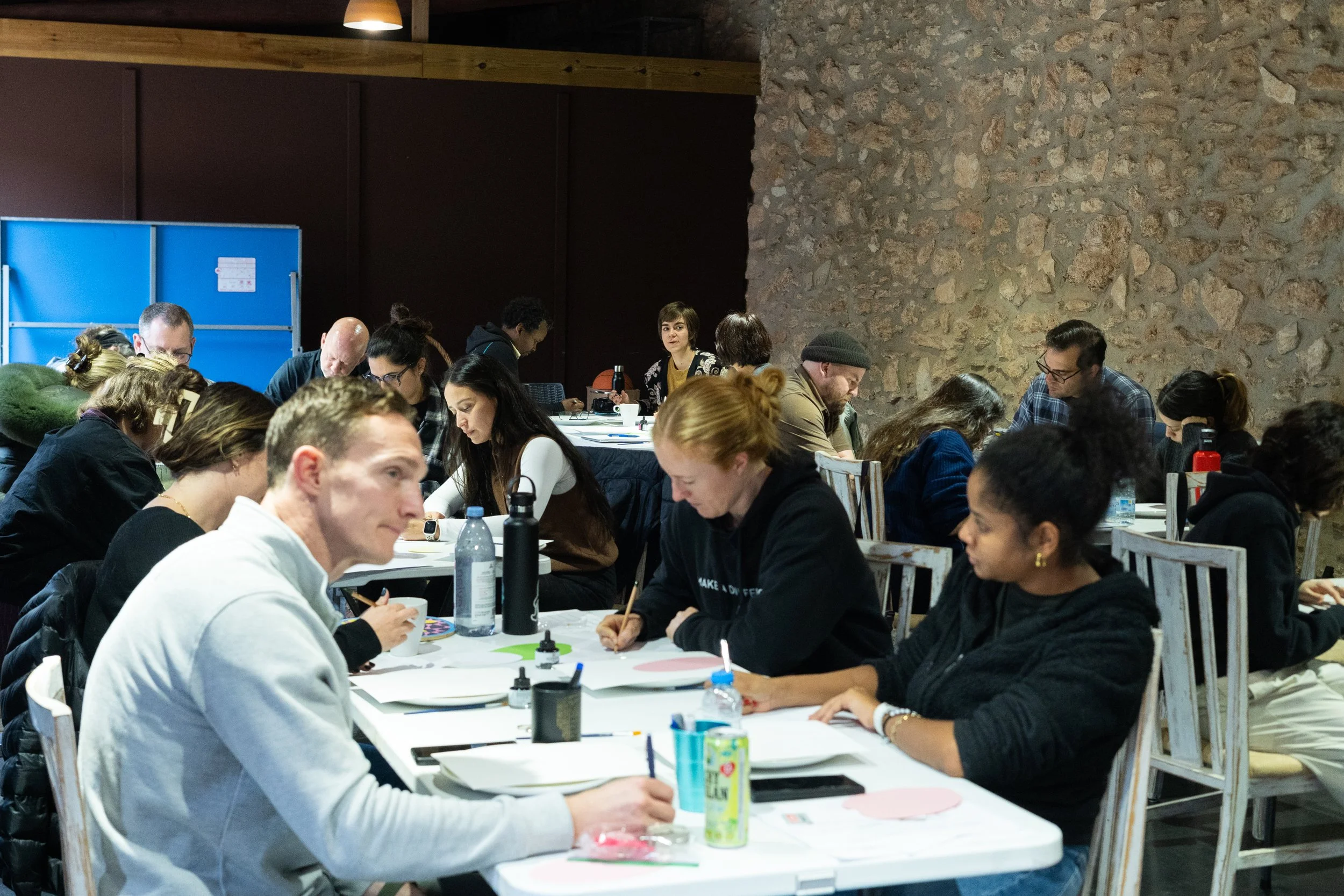
Recently, I had the pleasure of leading a creative workshop for 21 team members from Planet Labs Germany, exploring the intersection between analog photography, experimentation, and creative writing. The session was designed as an invitation to slow down, step away from screens, and reconnect with image-making as a tactile and reflective process.
For a few hours, the room transformed into a small experimental lab, not for satellites or data, but for hands-on creativity and curiosity.
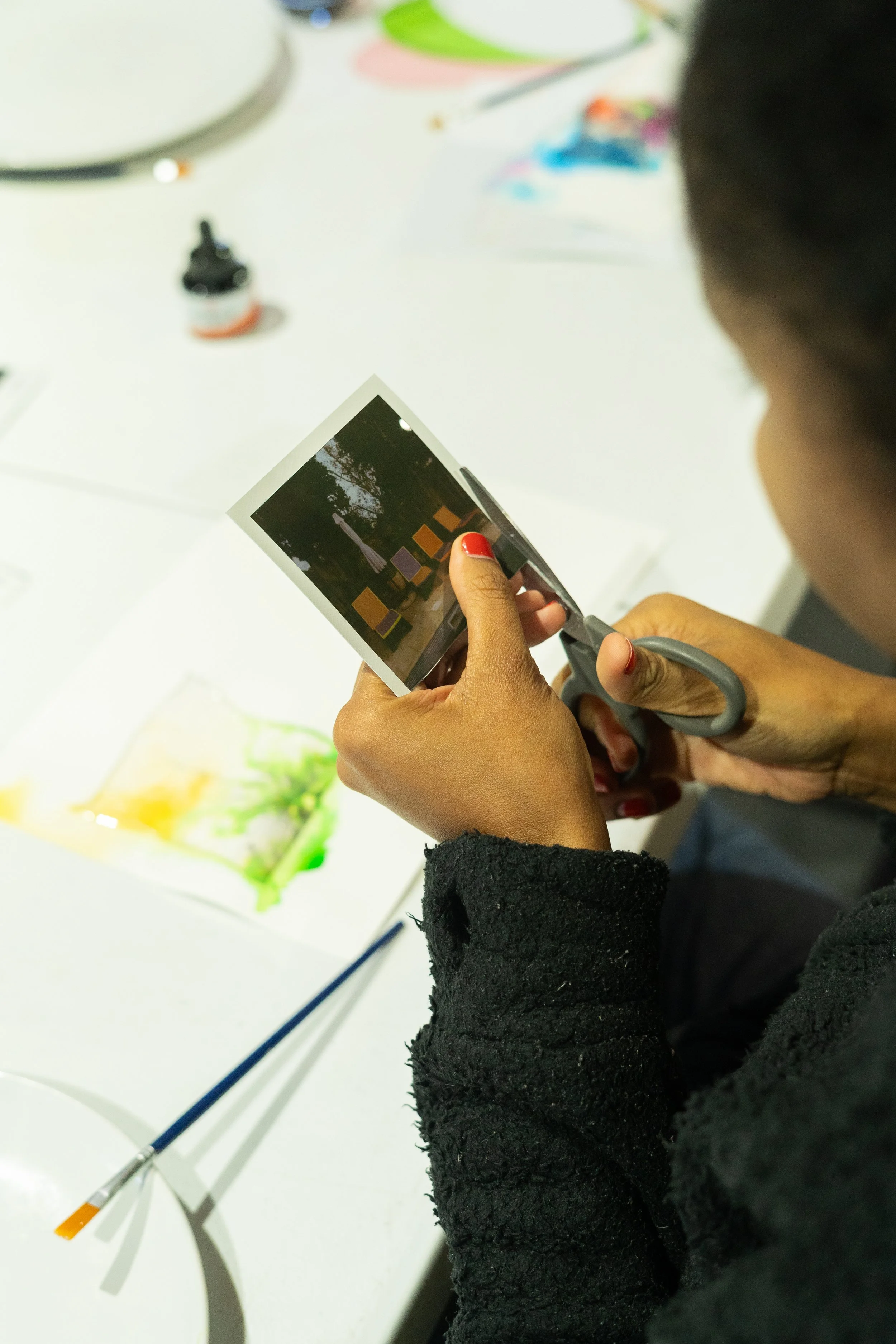
Introducing Slow Photography
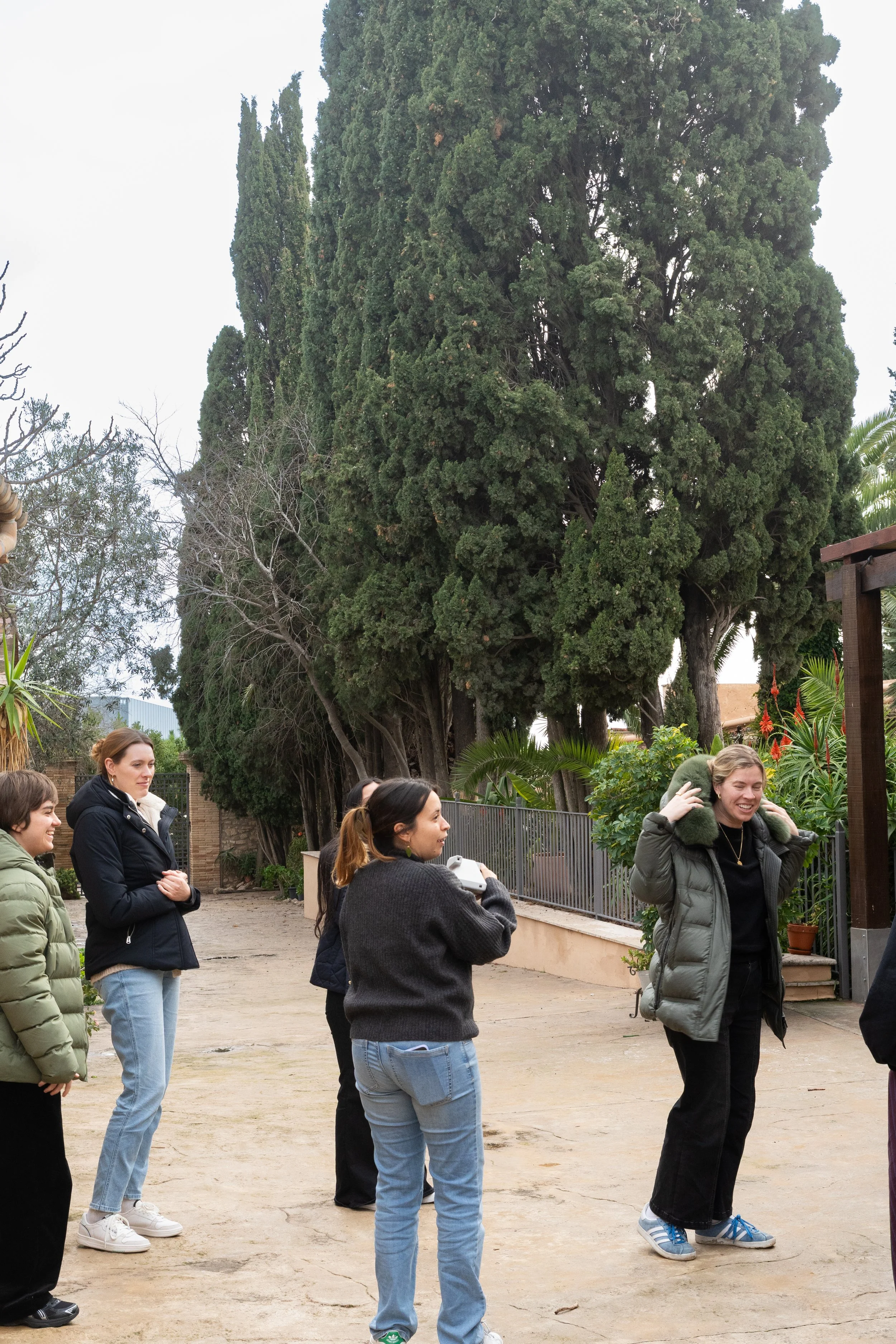
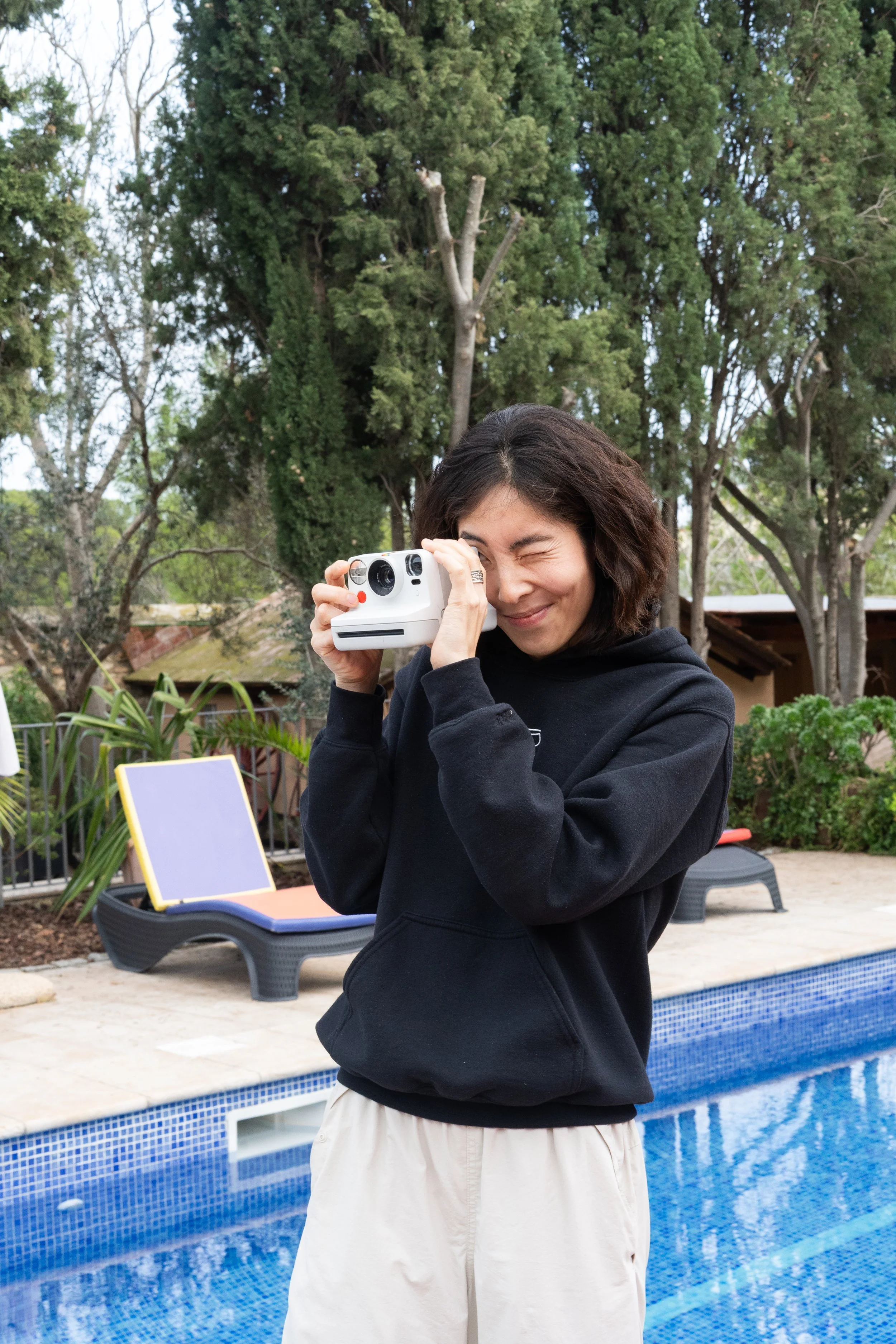
Many participants came from highly technological backgrounds, so the workshop began with a simple but powerful idea: what does Art mean to you, in your world? The answers were so inspiring, a few of them said that they felt like art was slow cooking, knitting, taking the time to meditate, and some just answered: I’m not an artist. I don’t feel art on my daily basis. With that in mind, I introduced them the world of: slow photography. Unlike the instant, digital flow of images we are used to today, analog processes require patience, observation, and trust in the unexpected. I introduced the group to Polaroid photography, emphasizing its unpredictability and the beauty of embracing imperfections.
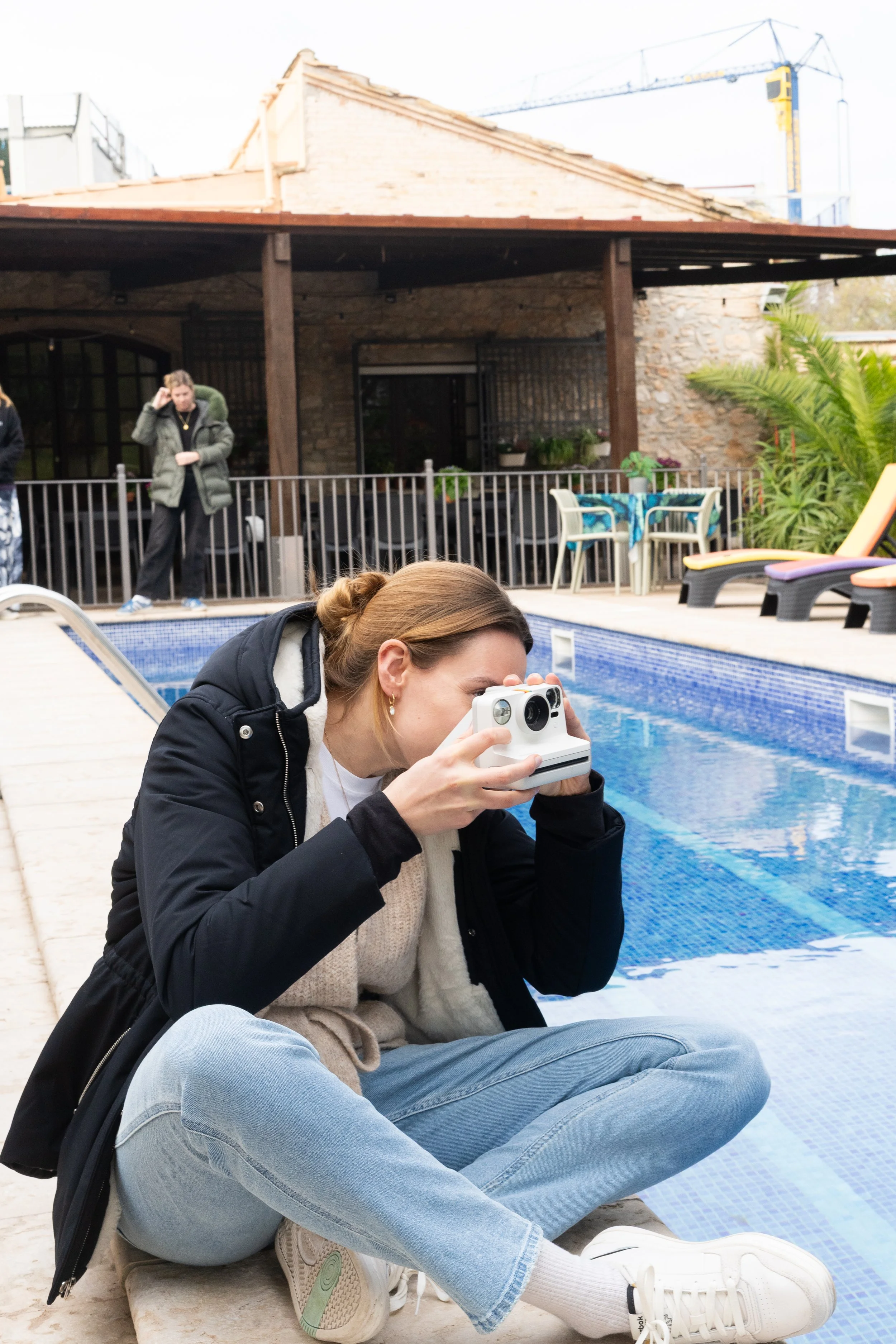
The goal was not to produce perfect images but to experience photography as a process.
Discovering the Emulsion Lift Technique
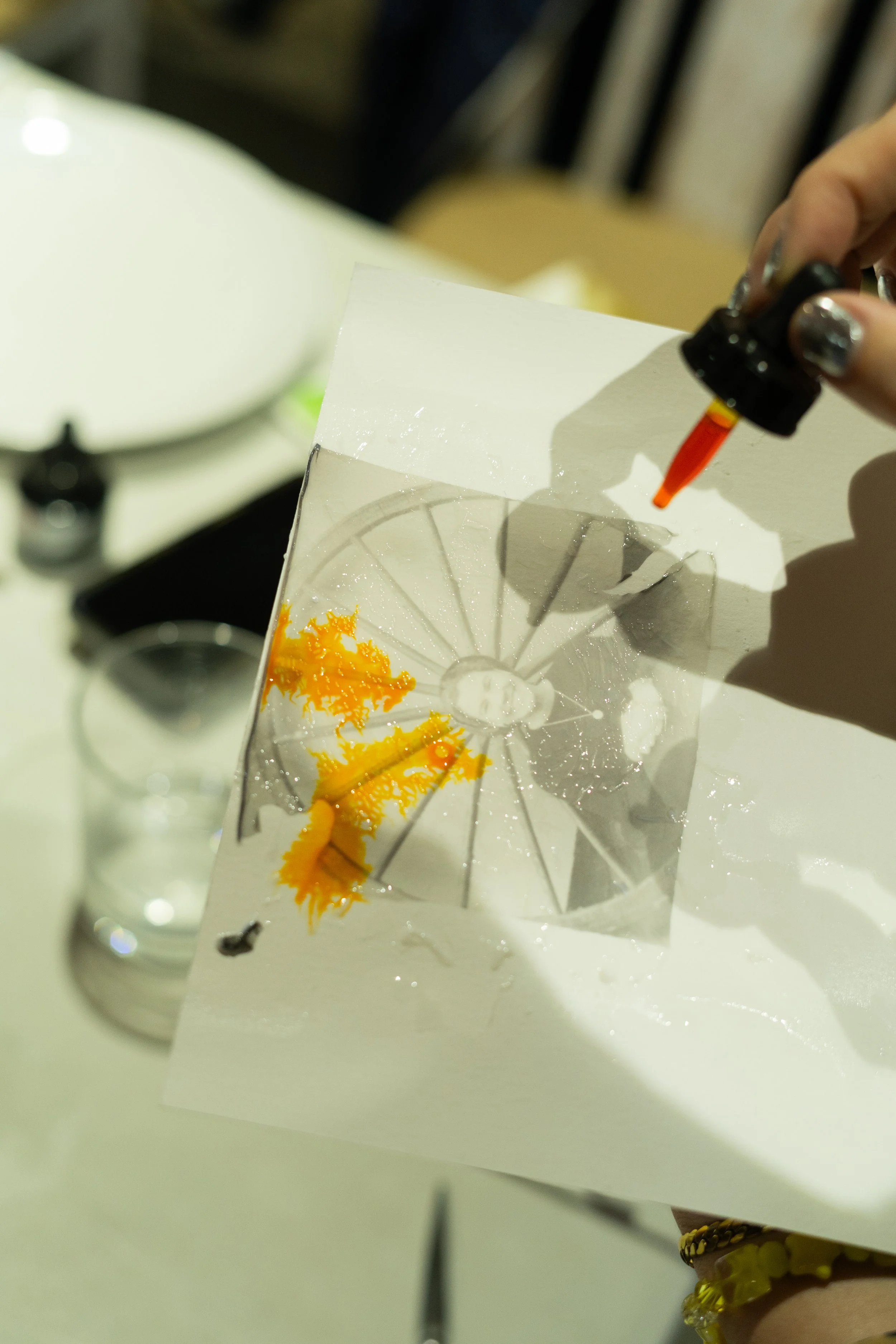
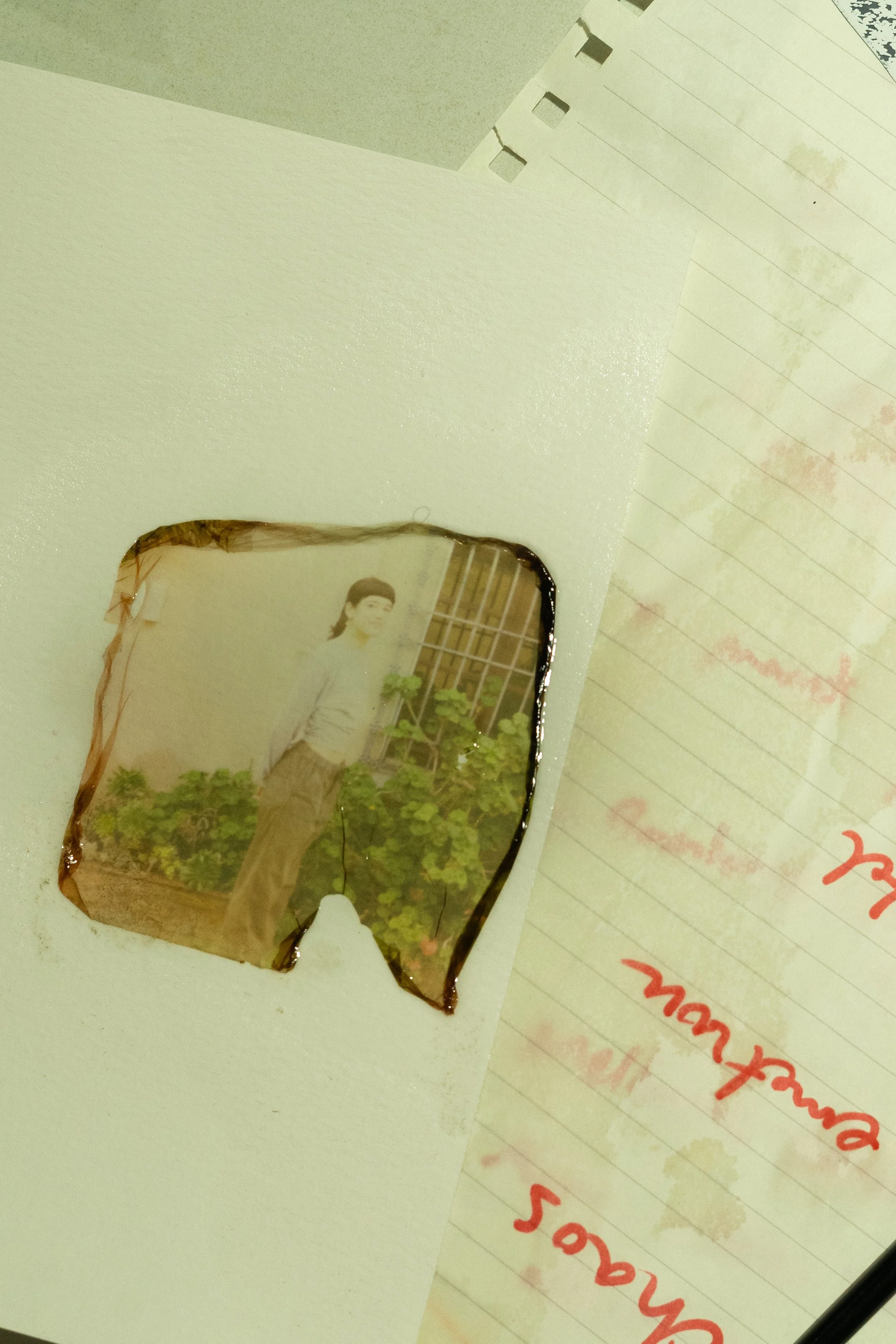
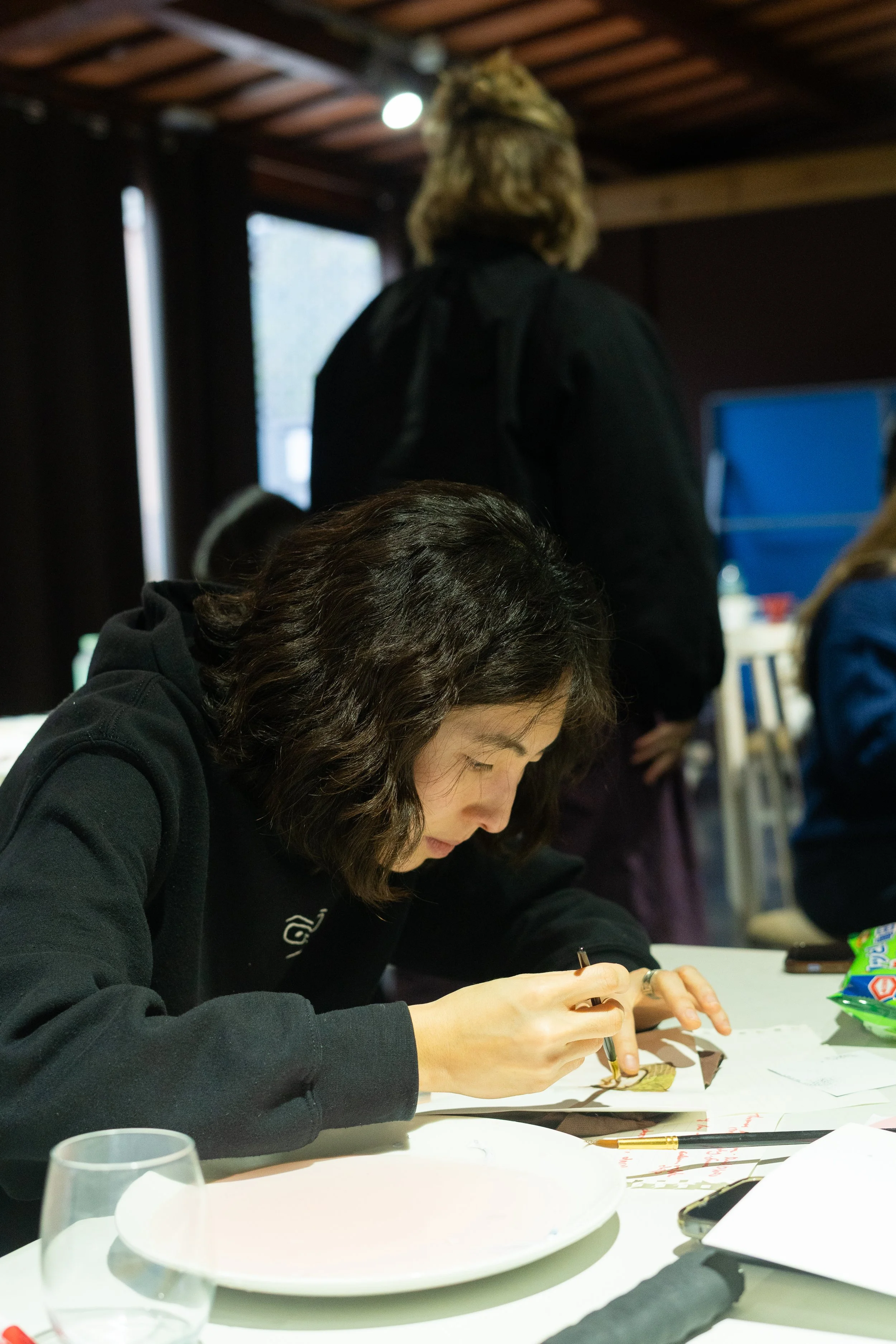
The core of the workshop centered around Polaroid Emulsion Lift, a fascinating analog technique where the image layer of a Polaroid photograph is separated from its backing and transferred onto another surface. Participants watched their photographs literally float in water, turning into fragile skins of color and texture that could be reshaped and repositioned.
Once lifted, the images became fluid pieces of art.
People experimented with:
watercolor pigments
spices
wine stains
textures and paper surfaces
Each piece evolved into something unique, somewhere between photography, painting, and memory.
The process often feels magical the first time someone tries it. When the emulsion detaches from the photograph and begins to move freely, the image stops being fixed, it becomes alive.
Creativity Beyond Photography
Alongside the visual experiments, we incorporated creative writing exercises.
Participants were invited to write short reflections inspired by their images, describing emotions, memories, or associations that emerged during the process.
This part of the workshop is important to me. Photography is not only about what we see; it's also about what images awaken within us.
Combining writing and image-making allows participants to: connect with their inner visual language, reflect on personal narratives and explore creativity beyond technical skills. For many people who are not professional artists or photographers, this combination opens a door to expression they didn’t know was available to them.
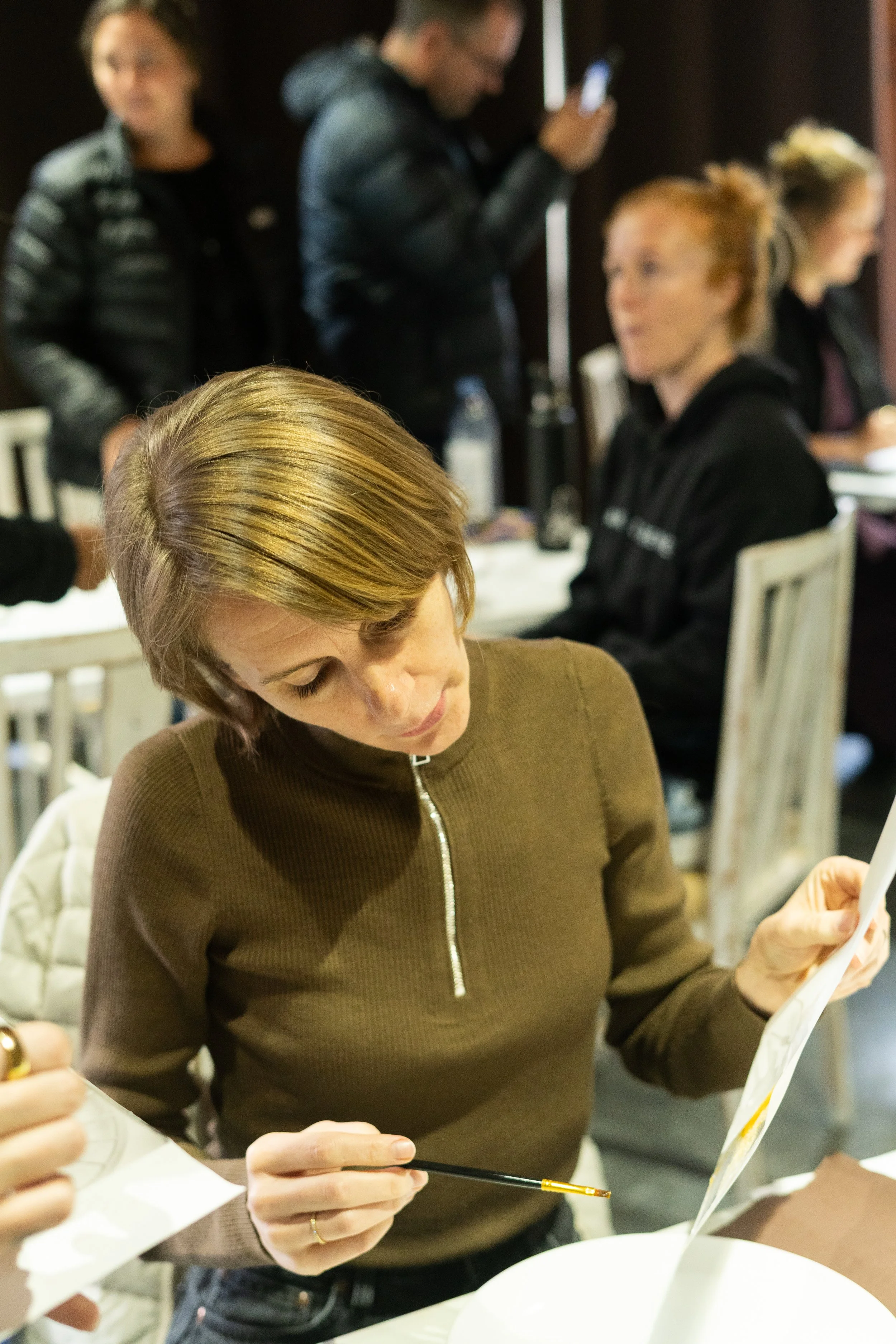
One of the most rewarding aspects of the session was seeing how quickly people immersed themselves in the experience.
At first, there was curiosity.
Then concentration.
And soon after, laughter, experimentation, and genuine creative flow.
Workshops like this show that creativity does not belong only to artists. It belongs to anyone willing to explore, play, and reflect.
Even in a company deeply connected to technology and innovation, there was space for analog exploration and human expression.
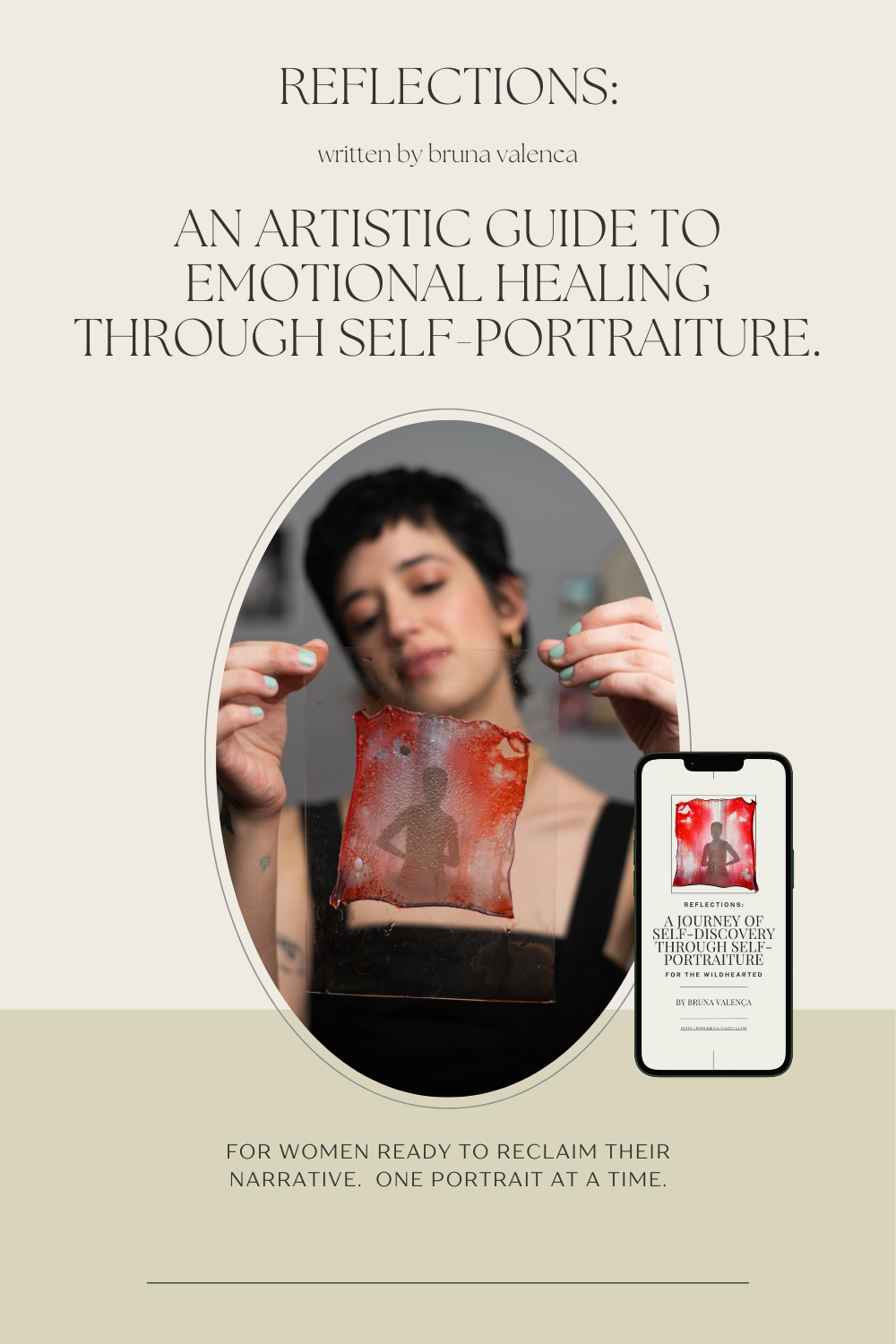
This workshop reflects many of the ideas I explore in my ebook:
Reflections: A Journey of Self-Discovery Through Self-Portraiture
In Reflections, I dive deeper into how photography, especially self-portraiture and experimental processes like emulsion lifts can become powerful tools for:
self-knowledge and emotional reflection
creative exploration
reconnecting with your inner voice
turning photography into a personal and artistic practice
The ebook also includes a step-by-step guide to creating your first Polaroid Emulsion Lift, so you can experiment with the technique yourself at home, even if you’ve never worked with analog photography before.
To make the learning experience more personal, readers can also reach out to me by email if they have questions about the technique or the exercises in the book. I love hearing how people interpret the process and helping them navigate their own creative discoveries.
